Eine Kartuschenpistole ist ein nützliches Werkzeug zum Auftragen von Dichtmasse, die das Eindringen von Feuchtigkeit in Risse und Spalten in Ihren Wänden verhindert. Oft denken Menschen, dass Aufgaben zur Instandhaltung von Haus zu komplex oder unordentlich aussehen. Sie können auf Anhieb fantastische Ergebnisse erzielen, wenn Sie einfache Regeln befolgen. Dieser Leitfaden erklärt Ihnen alles über Ihr Werkzeug und Ihre Technik.
1. Was ist eine Kartuschenpistole und wie funktioniert sie?
Bevor wir mit der Arbeit beginnen, betrachten wir das Werkzeug. Dieses Wissen sorgt für reibungslose Arbeitsabläufe und bewahrt Sie vor kostspieligen Unfällen.
Was genau ist eine Kartuschenpistole? (Definition & Zweck)
Eine Kartuschenpistole ist ein Metall- oder Kunststoffrahmen, der eine Tube mit zähem Dichtstoff hält. Sie wird verwendet, um kleine Fugen abzudichten und das Eindringen von Wasser in Risse zu verhindern. Der wichtigste Zweck dieses Werkzeugs ist es, eine Barriere zu schaffen.
Wie eine Kartuschenpistole funktioniert
Man muss einen Hebel am Griff drücken. Dieser manuelle Druck löst eine lange Metallstange aus, die den Kolben in der Tube nach vorne schiebt. Die interne Kraft treibt die zähe Masse aus der Spitze.
Dichtmittelpistole vs. Kartuschenpistole: Was ist der Unterschied?
Sie haben bestimmt schon beide Begriffe gehört und sind verwirrt. Keine Sorge. Eine Dichtmittelpistole und eine Kartuschenpistole sind dasselbe. Während manche Leute sie als Dichtmittelpistole bezeichnen, ist der Begriff „Kartuschenpistole“ sowohl im britischen als auch im amerikanischen Englisch gebräuchlicher.
Häufige Projekte, die Sie mit einer Kartuschenpistole durchführen können
Sie werden unzählige Einsatzmöglichkeiten für dieses Werkzeug finden, wenn Sie entdecken, wann Sie eine Kartuschenpistole in Ihrem Haus verwenden sollten. Kleine Lücken entstehen überall, wenn Gebäude im Laufe der Zeit altern.
- Abdichten von Spalten um Fenster und hölzerne Fußleisten
- Anbringen einer Küchenrückwand
- Auffüllen von leeren Räumen über Schränken
- Fertigstellung kundenspezifischer DIY-Paneelarbeiten und kreativer IKEA-Möbel-Hacks
2. Arten von Kartuschenpistolen: Manuell vs. Tropffrei vs. Akku
Ihre Werkzeugwahl beeinflusst den körperlichen Aufwand, den Sie benötigen. Es gibt verschiedene Modelle, die für unterschiedliche Personen geeignet sind.
Manuelle Kartuschenpistolen mit glatter Stange
Dies ist das preisgünstigste Modell, das in örtlichen Baumärkten erhältlich ist. Es nutzt Reibung, um die Stange bei jedem Drücken nach vorne zu schieben. Um den Fluss zu stoppen, müssen Sie einen kleinen Riegel von Hand drücken.
Manuelle Kartuschenpistolen mit Ratsche
Diese älteren Modelle verwenden eine gezahnte Metallstange, die während des Gebrauchs laut klickt. Sie erfordern eine hohe Handkraft, da sich die Stange in starren Schritten bewegt. Sie müssen die Stange drehen, um den Ratschenmechanismus zu lösen und den Stangendruck abzubauen.
Tropffreie Kartuschenpistolen
Tropffreie Rahmen verfügen über einen automatischen Federmechanismus, der die innere Spannung abbaut. Die Stange hört auf zu drücken, sobald Sie den Griff loslassen. Dieses Design hält Ihre Böden sauber.
Akku-Elektrokartuschenpistolen
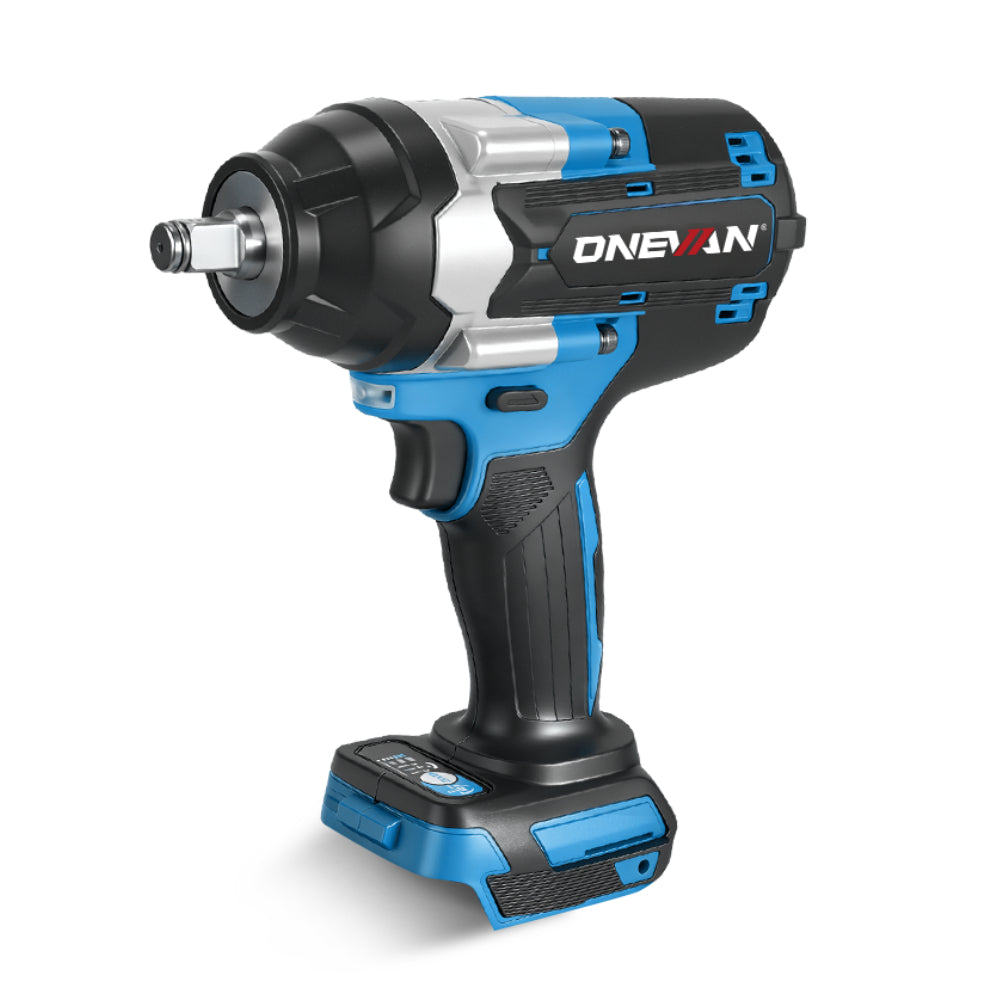
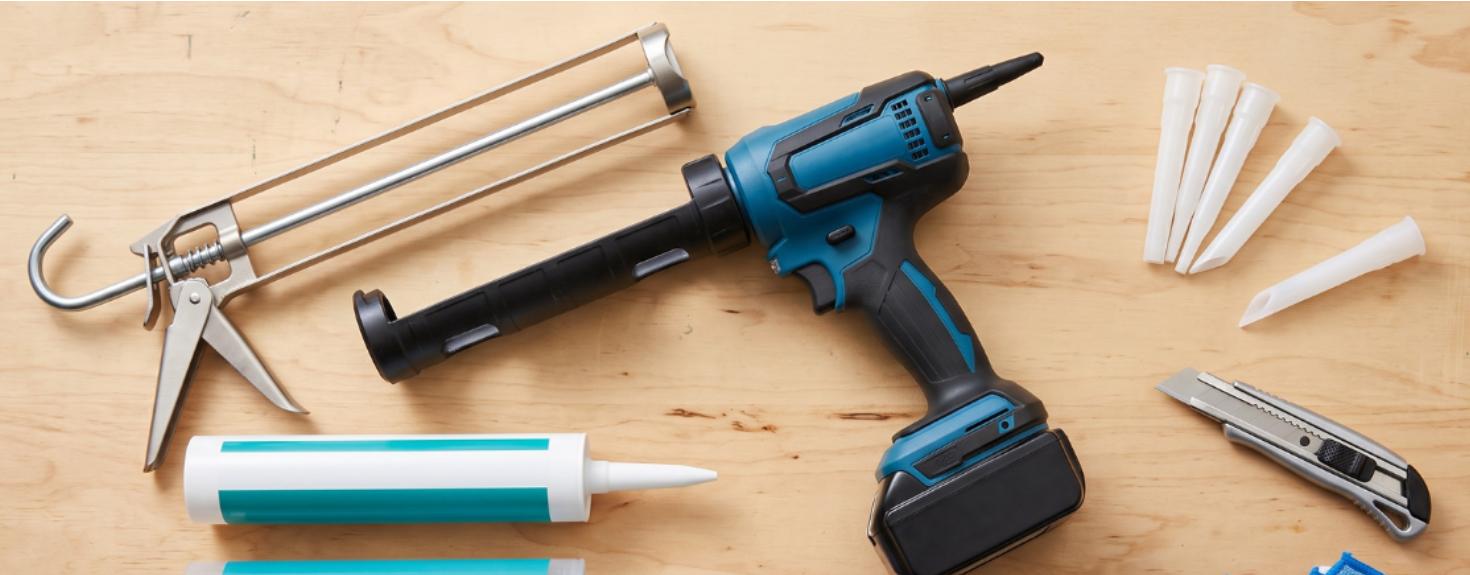
Eine Akku-Elektrokartuschenpistole nutzt Batteriestrom, um Ihre schwere Arbeit zu automatisieren. Marken wie ONEVAN entwickeln diese Werkzeuge, um starke Ermüdung der Hände bei großen Aufgaben zu vermeiden. Sie betätigen einfach den Abzug und beobachten, wie der Motor gleichmäßige Linien erzeugt.
Wurst-Kartuschenpistolen (Großanwendung)
Profis verwenden Wurstpistolen, um große Mengen Dichtstoff auf gewerblichen Objekten aufzutragen. Sie haben einen langen Metallzylinder, der Folienverpackungen enthält.
So wählen Sie die passende Kartuschenpistole für Ihr Projekt aus
Sie müssen ein Werkzeug kaufen, das für die gewünschte Arbeit geeignet ist. Verwenden Sie diese hilfreiche Tabelle, um das beste Modell für Ihre Hände auszuwählen:
|
Projektgröße |
Beste Werkzeugoption |
Hauptnutzen |
|
Kleine Ausbesserungen im Haus |
Manuelle oder tropffreie Pistole |
Sehr günstig und einfach zu lagern |
|
Große Renovierungen |
Verhindert Muskelkrämpfe |
|
|
Industrielle Baustellen |
Wurst-Kartuschenpistole |
Fasst große Mengen Material |
3. So verwenden Sie eine Kartuschenpistole: Schritt-für-Schritt-Anleitung
Hausreparaturen sind keine leichte Aufgabe. Man muss sich etwas Zeit nehmen und alle Werkzeuge bereitlegen, bevor man beginnt.
Schritt 1: Bereiten Sie Ihre Werkzeuge und den Arbeitsbereich vor
Sammeln Sie alle Werkzeuge und reinigen Sie den Bereich mit Reinigungsalkohol.
- Ihre Kartuschenpistole und eine frische Kartusche Paste
- Ein Teppichmesser und ein spezielles Fugenglättungswerkzeug
- Sauberes Malerband und ein feuchter Lappen
Kleben Sie zwei Streifen Malerband direkt entlang der Ränder des offenen Risses. Diese Technik schützt Ihre Fliesen.
Schritt 2: Schneiden Sie die Düse im richtigen Winkel ab
Schneiden Sie die Kunststoffspitze mit Ihrem Teppichmesser in einem 45-Grad-Winkel ab. Ein kleiner Schnitt nahe der Spitze erzeugt eine dünne Linie. Ein tieferer Schnitt weiter unten am Kegel erzeugt eine viel dickere Linie. Sie sollten den Durchmesser des Schnitts an die tatsächliche Größe Ihres Spalts anpassen.
Schauen Sie direkt in die Schnittöffnung, um nach einer versteckten Folienbarriere zu suchen. Sie müssen einen langen Draht tief in die Spitze schieben, um diese innere Dichtung zu durchstechen. Das Überspringen dieser einfachen Aufgabe ist der häufigste Fehler, den Anfänger machen.
Schritt 3: Legen Sie die Kartusche in die Pistole ein
Für viele Benutzer ist das Laden einer Kartuschenpistole schnell erledigt, oft in weniger als zehn Sekunden, aber Anfänger brauchen möglicherweise etwas länger, um sich an den Vorgang zu gewöhnen. Drücken Sie mit dem Daumen den kleinen Metallfreigabehebel an der Rückseite des Geräts.
Ziehen Sie die lange Metallstange ganz nach hinten, während Sie den Hebel gedrückt halten. Legen Sie Ihren Behälter mit der Kunststoffdüse nach vorne in die offene Halterung. Schieben Sie die Stange nach vorne.
Schritt 4: Dichtmittel mit der richtigen Technik auftragen
Halten Sie Ihr Werkzeug an die Fuge. Platzieren Sie die abgewinkelte Öffnung Ihrer Kunststoffspitze flach am Anfangspunkt des Risses. Drücken Sie langsam den Abzug und bewegen Sie Ihren Arm nach vorne.
Sie können wählen, ob Sie Ihr Gerät entlang der Linie schieben oder ziehen möchten. Ob man eine Kartuschenpistole schieben oder ziehen sollte, spaltet viele lokale Handwerker. Das Ziehen des Werkzeugs zum Körper hin funktioniert am besten, da es Material tief in den Spalt drückt. Schieben ist für Anfänger akzeptabel, die die Linie deutlich sehen müssen.
Schritt 5: Glätten Sie die Raupe für ein professionelles Finish
Sie müssen die nasse Masse sofort nach dem Ziehen der Linie glätten. Ziehen Sie Ihr Fugenglättungswerkzeug oder einen feuchten Finger über die Mitte der Raupe. Ziehen Sie das Klebeband schräg ab, um saubere, makellose Kanten zu erzielen.
Schritt 6: Reinigen und lagern Sie Ihre Kartuschenpistole
Wischen Sie die verirrten Flecken mit einem Tuch ab. Sie benötigen eine Metallklinge oder ein Lösungsmittel, um vollständig ausgehärtete Stellen abzukratzen.
Entnehmen Sie die Tube aus dem Rahmen, indem Sie die Hauptstange zurückziehen. Wickeln Sie ein Stück Klebeband über die Spitze.
4. So verwenden Sie eine Kartuschenpistole zum ersten Mal (Anfängerleitfaden)
Es sieht schwierig aus, ist es aber nicht. Sie können Ihre Angst abbauen, indem Sie an Abfallstücken üben, bevor Sie Ihre Wände berühren.
Warum Sie vor Ihrem ersten echten Projekt üben sollten
Verwenden Sie eine Kartuschenpistole zum ersten Mal immer auf Ersatzkarton. Suchen Sie einen alten Lieferkarton. Drücken Sie den Griff, um zu sehen, wie viel Druck es erfordert, die Stange zu bewegen. Dieser Testaufbau bildet die körperliche Koordination, die Sie für Ihr Wohnzimmer benötigen.
Fehler Nr. 1: Das innere Siegel wird nicht durchstochen (es kommt nichts heraus)
Viele Menschen sind verwirrt, wenn die Schritte zur Verwendung einer Kartuschenpistole nicht funktionieren. Sie drücken den Abzug mit aller Kraft, aber absolut nichts kommt aus der Düse. Denken Sie immer daran, eine lange Nadel zu verwenden, um das versteckte innere Werkssiegel zu durchbrechen.
Fehler Nr. 2: Die Düse zu weit abschneiden (Raupe zu dick)
Zu viel Plastik von der Spitze abzuschneiden ist ein häufiger Fehler sowohl bei Anfängern als auch bei erfahrenen Benutzern. Ein überdimensioniertes Loch verschüttet riesige Mengen Material und verursacht ein furchtbares Durcheinander. Beginnen Sie mit einem Mikroschnitt an der Spitze, da Sie ihn später immer breiter machen können.
Fehler Nr. 3: Zu langsam bewegen (Dichtstoff stapelt sich)
Das Drücken des Hebels, während der Arm völlig still bleibt, führt dazu, dass sich die Paste ansammelt. Sie müssen Ihre Hand beim Ausüben von Druck mit gleichmäßiger Geschwindigkeit bewegen. Stellen Sie sich diese Aufgabe wie das Zeichnen einer durchgehenden Linie mit einem dicken Marker vor.
Fehler Nr. 4: Druck nicht ablassen (Dichtstoff tropft weiter)
Standardmäßige manuelle Rahmen halten selbst nach dem Loslassen intensiven Druck im Schlauch. Das Gemisch würde weiterhin auf Ihre Böden bluten, wenn Sie das Werkzeug ablegen. Sie sollten den Entriegelungshebel sofort nach Abschluss Ihrer Linie drücken, um jegliches Tropfen zu verhindern.
Kurzanleitung für Erstbenutzer
Beachten Sie diese einfache Sechs-Schritte-Zusammenfassung, wenn Sie Ihren Arbeitsplatz vorbereiten:
- Schneiden Sie die Kunststoffdüse in einem scharfen 45-Grad-Winkel ab.
- Durchstechen Sie die versteckte innere Folienversiegelung mit einem langen Metalldraht.
- Laden Sie den Behälter fest in die Metallhalterung Ihrer Pistole.
- Drücken Sie den Abzug, während Sie Ihre Hand gleichmäßig bewegen.
- Glätten Sie die nasse Raupe mit einem feuchten Finger oder einem Profilwerkzeug.
- Lösen Sie den hinteren Stangendruck, um unsaubere Bodenlecks zu verhindern.
5. Profi-Tipps: So verwenden Sie eine Kartuschenpistole mit verschiedenen Materialien
Verschiedene Hausarbeiten erfordern völlig unterschiedliche Arten von chemischen Produkten. Das Ändern Ihres Materials ändert, wie die Pistole funktioniert und wie Sie die Arbeit beenden müssen.
So verwenden Sie eine Kartuschenpistole mit Silikon
Sie werden feststellen, dass das Erlernen der Verwendung einer Kartuschenpistole mit Silikon ernsthafte Armkraft erfordert. Reines Silikon ist sehr dick und widersteht dem Gleiten durch eine schmale Düse.
Günstige manuelle Werkzeuge verursachen bei einer großen Badezimmerrenovierung starke Ermüdung der Hände. Ein akkubetriebenes Werkzeug macht diese Arbeit mühelos, indem es die schwere Pressarbeit für Sie übernimmt. Glätten Sie Silikon immer mit Seifenwasser, da es als Gleitmittel wirkt und Ihren Finger oder Ihr Glättwerkzeug ohne Kleben gleiten lässt.
Wie man Fugenmörtel, Flüssignägel und Baukleber aufträgt
Schwere Baukleber erfordern eine enorme mechanische Kraft, um durch die Spitze zu gelangen. Beim Erlernen des Auftragens von Fugenmörtel mit einer Kartuschenpistole müssen Sie die Spitze weit schneiden.
Standardmäßige, kostengünstige Pistolen verbiegen oder brechen unter dieser intensiven Belastung. Für dicke Baukleber sollten Hochleistungs- oder Akku-Kartuschenpistolen verwendet werden.
So erstellen Sie jedes Mal eine perfekte Raupe
Konsistenz ist das ultimative Geheimnis, um ein professionelles Finish an Ihrer Zierleiste zu erzielen. Halten Sie Ihren Ellenbogen eng am Brustkorb, um Ihren Arm zu stabilisieren. Halten Sie den exakt gleichen Werkzeugwinkel vom Anfang der Linie bis zum Ende bei.
So arbeiten Sie mit ungünstigen Winkeln und engen Räumen
Das Abdichten hinter einer Toilette oder unter einem Küchenschrank kann Ihre Nerven strapazieren. Sie können spezielle abgewinkelte Düsenaufsätze kaufen, die sich um Ecken drehen. Eine andere Möglichkeit besteht darin, flexible Vinylschläuche über die Spitze zu schieben, um enge Stellen zu erreichen.
Video-Tutorial: Sehen Sie einem Profi bei der Arbeit zu
Das Beobachten eines professionellen Handwerkers bei der Handhabung des Werkzeugs bietet eine hervorragende visuelle Anleitung. Suchen Sie auf YouTube nach Videos zum Thema „Kartuschenpistole verwenden“, um die richtige Handmechanik zu sehen. Sie können sich das ONE VAN Produkt-Demo-Video ansehen, um den Prozess online zu verfolgen.
6. Kann man Dichtmittel ohne Kartuschenpistole verwenden? (Alternativen erklärt)
Manchmal hat man nur einen kleinen Riss zu reparieren und scheut den Kauf zusätzlicher Ausrüstung. Man kann die Masse manuell auftragen, aber das erfordert Geduld.
Methode 1: Manuelles Ausdrücken (nur für winzige Arbeiten)
Sie können kleine Quetschtuben kaufen, die für kleinere Ausbesserungen im Badezimmer gedacht sind. Erfahren Sie, wie Sie eine Dichtstofftube ohne Pistole verwenden, indem Sie nur Ihre Daumenkraft einsetzen. Diese Alternative funktioniert gut für einen winzigen, ein Zoll großen Riss, ermüdet aber Ihre Hände.
Methode 2: Verwenden einer Zange zum Zusammendrücken der Tube
Sie können eine Zange verwenden, um eine handelsübliche große Tube auszudrücken, wenn Sie keine Kartuschenpistole haben. Führen Sie den Griff der Zange in die Rückseite des Zylinders gegen die flache Kunststoffscheibe ein. Drücken Sie den Griff fest nach vorne, um den Kolben tief in den Behälter zu drücken.
Methode 3: Spachtel oder Eisstiel-Anwendung
Sie können zuerst etwas Dichtmittel auf ein Einwegstück Karton pressen. Verwenden Sie einen hölzernen Eisstiel oder einen Spachtel, um kleine Mengen aufzunehmen. Drücken Sie es direkt von Hand in die offene Fuge, um kleine kosmetische Unebenheiten zu reparieren.
Methode 4: Was Reddit empfiehlt (kreative Alternativen)
Auf Reddit-Threads nach „wie man ohne Kartuschenpistole verfugt“ zu suchen, zeigt einige ungewöhnliche Methoden. Hausbesitzer schlagen vor, Metalllöffel, Plastik-Kabelbinder und alte Kreditkarten zu verwenden, um die Paste zu formen. Diese Gegenstände können eine Kante glätten, aber sie erzeugen selten eine wirklich wasserdichte Abdichtung.
Wann sich eine Kartuschenpistole lohnt
Der Versuch, den Kauf des richtigen Werkzeugs zu vermeiden, ist den zusätzlichen Aufwand selten wert. Wenn Ihre Reparaturfuge länger als zwölf Zoll ist, liefert eine richtige Kartuschenpistole wesentlich bessere Ergebnisse. Ein einfaches manuelles Werkzeug kostet weniger als fünfzehn Dollar und spart Ihnen Stunden Reinigungszeit.
7. Häufige Fehler bei der Kartuschenpistole und wie man sie behebt
Selbst erfahrene Heimwerker stoßen auf Probleme, wenn sie ihre Arbeit überstürzen. Das Verständnis dieser häufigen Fehler hilft Ihnen, Ihre Technik sofort zu korrigieren.
1. Die innere Dichtung wird nicht durchstochen (es kommt nichts heraus)
Sie haben den Rahmen geladen und den Abzug gedrückt, aber es ist nichts passiert. Die innere Folienversiegelung blockiert immer noch den Fluss. Nehmen Sie die Tube heraus und schieben Sie einen langen Nagel tief in die Düse, um den Weg frei zu machen.
2. Zu viel Druck anwenden (unsauberer Überlauf)
Wenn Sie sich fragen, warum ständig Dichtmittel aus Kartuschenpistolendüsen austritt, drücken Sie zu fest. Übermäßiger Kraftaufwand überschwemmt die Fuge mit zusätzlichem Material. Lockern Sie Ihren Griff und bewegen Sie Ihren Arm etwas schneller entlang der Bahn.
3. Falscher Winkel (Spalte nicht richtig gefüllt)
Wenn man die Pistole flach an die Wand hält, verhindert man, dass die Paste in den Riss eindringt. Wenn man sie im rechten Winkel von 90 Grad hält, schabt man das Material ab. Halten Sie eine gleichmäßige Neigung von 45 Grad ein, um eine optimale Penetration in den Spalt zu erzielen.
4. Überspringen des Glättungsschritts (hässliches, ungleichmäßiges Finish)
Das Belassen der Rohlinie, so wie sie aus der Düse kommt, sieht sehr unprofessionell aus. Rohraupen werden sich schließlich ablösen, weil sie nicht fest an den Kanten haften. Gleiten Sie immer mit einem feuchten Finger über die Linie, um die Verbindung zu sichern.
5. Die Düse falsch schneiden (falsche Raupengröße)
Ein riesiger Düsenschnitt macht es unmöglich, schmale Risse sauber zu füllen. Machen Sie Ihren ersten Schnitt nahe der äußersten Spitze des Plastikkegels. Testen Sie den Fluss auf Karton und vergrößern Sie die Schnittgröße nur bei Bedarf.
6. Druck nicht ablassen (kontinuierliches Tropfen)
Hat Ihre Kartuschenpistole ein Tropfproblem? Sie müssen den Daumen-Entriegelungsknopf sofort nach jedem einzelnen Strich drücken. Ein Upgrade auf ein tropffreies Modell erledigt diese Aufgabe automatisch.
7. Schiebt oder zieht man eine Kartuschenpistole?
Menschen fragen sich oft, welche Richtung für Heimprojekte die richtige ist. Professionelle Handwerker bevorzugen das Ziehen der Pistole, da es Dichtmittel tiefer in die Fuge drückt und ein saubereres Finish hinterlässt. Drücken kann Lücken überspringen und sollte generell vermieden werden.
8. Fazit
Eine Kartuschenpistole zu beherrschen, kommt auf eine ruhige Hand und eine gute Vorbereitung der Oberflächen an. Wenn Sie sich die Zeit nehmen, Ihren Arbeitsbereich zu reinigen, ist Ihr Zuhause für die kommenden Jahrzehnte vor Wasserschäden geschützt. Nehmen Sie ein Stück Karton zum Üben, testen Sie Ihre Fließgeschwindigkeit und erledigen Sie Ihre Hausreparaturen mit absolutem Vertrauen.
9. FAQs
Wie verfugt man eine Badewanne mit einer Kartuschenpistole?
Kratzen Sie zuerst alle alten, schimmeligen Dichtmittel mit einem Rasierklingenwerkzeug ab. Kleben Sie Malerband an die Ränder, schneiden Sie Ihre Düse passend zum Spalt zu und tragen Sie ein hochwertiges Küchen- und Badsilikon auf. Erfahren Sie, wie Sie eine Kartuschenpistole in der Badewanne verwenden, indem Sie die Linien mit einem feuchten Finger glätten.
Wie stoppt man Tropfen und Überlaufen an einer Kartuschenpistole?
Drücken Sie den kleinen Metallauslöser an der Rückseite Ihres Werkzeugs genau in dem Moment, in dem Sie eine Linie fertiggestellt haben. Diese Aktion löst die aufgestaute physikalische Spannung im Zylinder, so dass das Material sofort aufhört, sich zu bewegen.
Benötigt man für Dichtmittel eine Kartuschenpistole?
Ja, Sie benötigen eine Pistole für jede Reparaturarbeit, die länger als ein paar Zentimeter ist. Der Versuch, Standardtuben von Hand auszudrücken, ist unglaublich schwierig und führt zu einem unordentlichen, welligen Finish.
Wann sollte man eine Kartuschenpistole verwenden?
Sie sollten dieses Werkzeug immer dann verwenden, wenn Sie eine Fuge abdichten müssen, an der zwei verschiedene Materialien aufeinandertreffen. Häufige Beispiele im Haushalt sind die offenen Bereiche um Waschbecken, Badewannen, Fensterrahmen und Fußleisten.