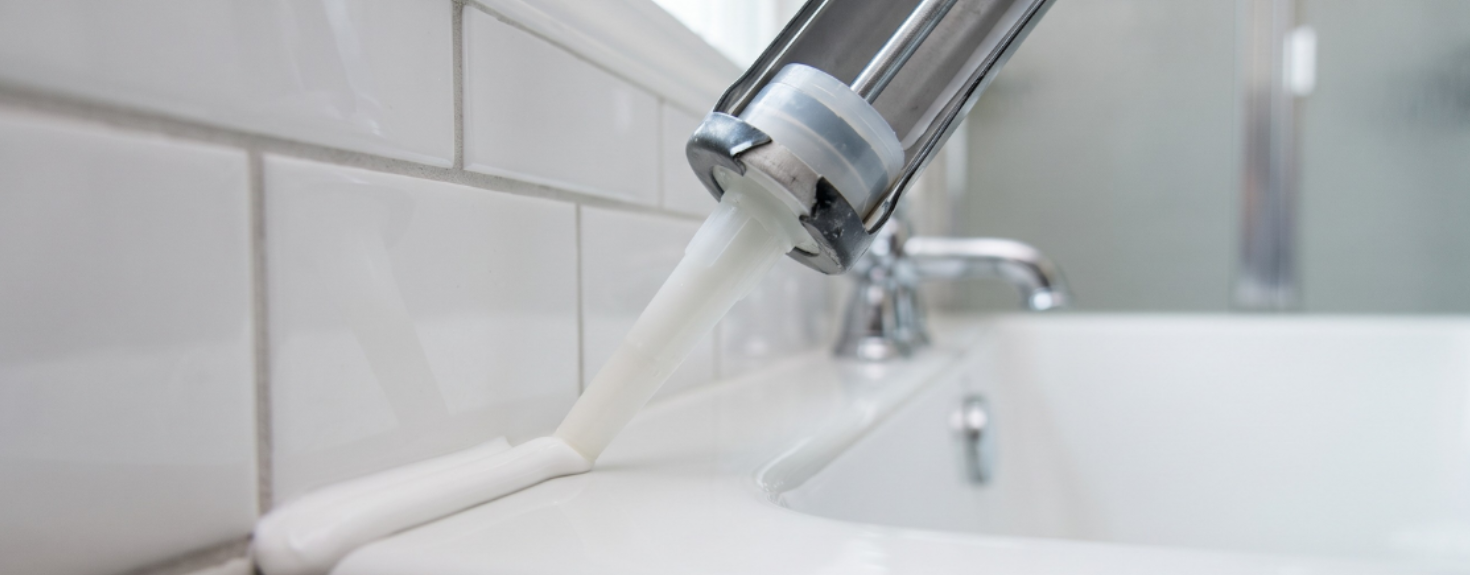
Lücken in der Nähe Ihrer Küchenarbeitsplatten oder Fenster können echte Probleme verursachen. Sie ermöglichen das Eindringen von Wasser, was zu Schäden und Verfall Ihrer Wände führen kann. Sie benötigen Dichtmasse, um diese Öffnungen abzudichten, aber die harten Tuben erfordern ein spezielles Werkzeug, um sie zu entleeren. Eine Kartuschenpistole liefert die mechanische Kraft, um die Paste durch die schmale Düse zu drücken.
1. Was ist eine Kartuschenpistole?
Wenn Sie neu im Reparieren sind, möchten Sie genau wissen, was eine Kartuschenpistole ist. Eine Kartuschenpistole ist ein einfaches Handwerkzeug für Hausreparaturen. Sie hält den Dichtmittelbehälter stabil und drückt die dicke Masse in einer sauberen Linie heraus.
2. Wie sieht eine Kartuschenpistole aus? Grundlegender Aufbau
Das Design ähnelt einem Metallkorb mit einem Pistolengriff und einer langen Stahlstange. Es besteht aus sechs Hauptkomponenten:
- Aufnahme: Die offene Ablage, in der die Kartusche ruht.
- Griff: Der Griff, den Sie zum Steuern des Werkzeugs verwenden.
- Abzug: Der Hebel, der den Innendruck aufbaut.
- Druckstange: Die Stahlwelle, die den Kolben antreibt.
- Entriegelungshebel: Der Daumenhebel, der die Stange freigibt.
- Schneider und Draht: Praktische Extras zum schnellen Öffnen neuer Tuben.
3. Arten von Kartuschenpistolen
Geschäfte führen verschiedene Typen. Sie können je nach Projektgröße zwischen günstigen manuellen Rahmen oder automatisierten Modellen wählen.
Manuelle Kartuschenpistole (Standard & Tropffrei)
Die manuelle Version ist das traditionelle Werkzeug, das die meisten Menschen für die Hausinstandhaltung verwenden. Dieses Werkzeug verlässt sich vollständig auf Ihre eigene Handkraft, um die Paste herauszudrücken.
Das Standard-Handwerkzeug verwendet eine gezahnte Stange mit Einkerbungen auf einer Seite. Das Drücken des Abzugs erzeugt ein Klickgeräusch. Ein häufiges Problem ist, dass die Stange bei hohem Druck blockiert bleibt, wenn Sie loslassen. Die Dichtmasse läuft weiter auf Ihren Boden und erzeugt ein klebriges Chaos, das niemand gerne reinigt.
Das tropffreie Handwerkzeug verwendet eine völlig glatte Stange ohne Zähne. Wenn Sie den Abzug loslassen, löst die Platte die Stange automatisch. Diese Aktion stoppt sofort den Druck in der Kartusche, sodass die Paste nicht mehr fließt. Die Leute lieben diesen Stil, weil er unordentliche Tropfen verhindert und Ihre Arbeit sauber hält.
Elektrische Kartuschenpistole (Kabelgebundene Kartuschenpistole)
Eine kabelgebundene elektrische Kartuschenpistole wird über ein langes Stromkabel direkt an eine Steckdose angeschlossen. Dieses Werkzeug enthält einen kleinen Motor im Griff. Das Drücken des Abzugs lässt den Motor die Stange mit gleichmäßiger Kraft nach vorne drücken. Sie benötigen keine Handmuskeln, um einen schweren Hebel immer wieder zu drücken. Dieses Werkzeug sorgt für eine gleichmäßige Dichtmittellinie. Menschen mit schwachen Handgelenken stellen fest, dass diese elektrische Kartuschenpistole die Belastung und Beschwerden während des Gebrauchs reduziert.
Akku-Kartuschenpistole
Wenn Sie die Kraft eines Motors ohne Stromkabel wünschen, sollten Sie sich eine Akku-Kartuschenpistole ansehen. Diese Akku-Werkzeuge werden mit wiederaufladbaren Akkupacks betrieben. Sie können viele Optionen finden, indem Sie diese hochwertige Akku-Kartuschenpistolen-Kollektion durchsuchen. Eine Akku-Kartuschenpistole gibt Ihnen die Freiheit, sich in Ihrem Zuhause zu bewegen oder draußen auf Ihrem Dach zu arbeiten. Der Motor drückt dicke Dichtmittel, wodurch enorme Zeit und Mühe gespart werden.
4. Wie funktioniert eine Kartuschenpistole?
Der mechanische Prozess basiert auf einem einfachen Zwei-Aktions-Prinzip, das leicht zu erlernen ist. Sie müssen verstehen, wie eine Kartuschenpistole funktioniert, um zu verstehen, wie sie Ihre Projekte vereinfacht.
Wissen Sie, was passiert, wenn Sie den Abzug drücken? Das Drücken des Abzugs zwingt eine interne Platte dazu, sich zu neigen und die Stahlstange zu greifen. Wenn Sie den Abzug drücken, zieht diese Platte die Stange nach vorne. Die flache Scheibe drückt gegen den Gummistopfen in der Kartusche. Diese Aktion baut Druck auf und drückt die klebrige Paste durch die schmale Düse.
Zweitens, schauen Sie, was passiert, wenn Sie den Handgriff loslassen. Bei einem Standardwerkzeug bleibt die Stange blockiert, bis Sie den Daumenhebel drücken. Bei einem tropffreien Werkzeug entspannen sich die internen Platten automatisch, wodurch die Stange leicht zurückgleiten kann. Dies entfernt den Druck sofort und stoppt den Fluss des Dichtmittels.
Elektrische Modelle ersetzen das manuelle Drücken durch einen motorisierten Zahnradantrieb. Zum Beispiel dient die ONEVAN elektrische Kartuschenpistole als echtes automatisches Werkzeug für Hausbesitzer.
Anstatt fünfzigmal einen manuellen Hebel zu drücken, drücken Sie einfach einen leichten Knopf. Der interne Motor dreht einen Metallschraubantrieb. Er drückt die Stange mit hoher Geschwindigkeit nach vorne, aber Sie können auch die Geschwindigkeitsstufen steuern.
Warum eine Kartuschenpistole verwenden, anstatt die Kartusche zu quetschen?
Das manuelle Quetschen einer Kartusche kann bei größeren Projekten, die eine umfassende Abdichtung erfordern, eine Herausforderung sein. Die Verwendung einer Kartuschenpistole sorgt für einen kontrollierten Fluss und eine gleichmäßige Linienbreite. Sie verhindert Handermüdung und ermöglicht es Ihnen, schmale Ecken leicht zu erreichen.
Betrachten wir einen klaren Vergleich. Stellen Sie sich vor, Sie möchten die Fuge um ein Fenster abdichten, das nur einen Meter lang ist. Eine kleine, weiche Tube können Sie leicht von Hand quetschen. Stellen Sie sich nun vor, Sie möchten eine komplette Fußleistenreihe entlang eines großen Wohnzimmerbodens abdichten. Ein ganzes Zimmer erfordert sechs oder neun Meter durchgehendes Dichtmittel.
Das manuelle Quetschen einer harten Plastiktube über diese Strecke lässt Ihre Finger schnell verkrampfen. Ihre Linie wird holprig und unordentlich aussehen. Mit einer Kartuschenpistole können Sie die lange Linie glatt auftragen. Machen Sie sich keine Sorgen über Ermüdung oder Krämpfe!
5. Brauchen Sie eine Kartuschenpistole?
Sie sollten damit beginnen, sich die spezifische Aufgabe anzusehen, die vor Ihnen liegt. Eine Kartuschenpistole ist unerlässlich, wenn Sie lange, saubere Linien an den Fugen zwischen Wänden ziehen müssen. Sie benötigen jedoch keine, wenn Sie einfach ein einzelnes Nagelloch an einer Schlafzimmerwand füllen.
Der nächste Faktor ist das Gesamtvolumen des benötigten Dichtmittels. Wenn ein Projekt eine volle 10-Unzen-Kartusche erfordert, müssen Sie ein mechanisches Werkzeug haben, da das manuelle Komprimieren von Standard-Dichtstoffkartuschen ineffizient ist. Sie können auf das Werkzeug nur verzichten, wenn Ihre Reparatur nur einen winzigen Spritzer Paste erfordert.
Sie sollten auch prüfen, wie oft Sie Heimwerkerarbeiten planen. Wenn Sie Ihr Eigentum Jahr für Jahr pflegen möchten, ist der Besitz eines zuverlässigen Werkzeugs absolut sinnvoll. Verwenden Sie diese einfachen Regeln, um Ihre Wahl zu treffen:
- Sie benötigen ein Werkzeug, wenn Sie lange, durchgehende Spalten um Fensterrahmen, Außentüren oder Badewannen abdichten müssen.
- Sie benötigen ein Werkzeug, wenn Ihre Arbeit hartnäckige Materialien wie Silikon oder Hochleistungsbaukleber verwendet.
- Sie können auf das Werkzeug verzichten, wenn Sie einen winzigen Riss, der weniger als 15 cm lang ist, mit einer kleinen Verbraucherkartusche ausbessern.
Brauchen Sie eine Kartuschenpistole für Silikon? Ja, Silikon ist hochviskos, klebrig und schwer zu handhaben. Sie können es nicht ohne Hilfsmittel aus einer Standardtube drücken. Das macht eine Kartuschenpistole unerlässlich.
Projekte, die eine Kartuschenpistole erfordern
Wir können spezifische Projekte untersuchen. Viele häufige Reparaturen im Haushalt erfordern eine glatte, wasserdichte Linie, die Sie nur mit einem geeigneten Werkzeug erzielen können. Hier sind die wichtigsten Projekte, bei denen eine Kartuschenpistole Handmethoden übertrifft:
- Fenster- und Türabdichtung: Stoppt sauber kalte Zugluft am Eindringen in Rahmen.
- Fußleistenfugen: Verläuft entlang von Putzwänden, um leere Zwischenräume zu verdecken.
- Deckenleisten: Sitzt in der Nähe hoher Decken, um Arbeiten schnell mit einer Hand zu erledigen.
- Badezimmerwannen: Verwenden Sie Silikon, um Schimmelbildung in den Wänden zu verhindern.
- Küche: Halten Sie die Arbeitsplatte sicher, um Fäulnis in den Holzschränken zu verhindern.
- Außenverkleidung: Drücken Sie dicke Außenfugenmasse tief in die Nähte zwischen den Brettern.
- Dachabdeckungen und Dachrinnenverbindungen: Stoppen Sie Lecks mit schweren klebrigen Materialien.
Wann Sie auf die Kartuschenpistole verzichten können
Sie können auf den Kauf verzichten, wenn Sie nur ein winziges Nagelloch oder einen kleinen, 5 cm langen Fliesenriss füllen. Bauzentren verkaufen kleine, flexible Quetschkartuschen und Folienpackungen für schnelle Ausbesserungen. Sie können die Spitze mit einer Schere abschneiden und die Kartusche wie eine Lotion ausdrücken.
Seien Sie sich jedoch einer gängigen Heimwerker-Realität bewusst: Sobald Sie ein Projekt mit einer mechanischen Pistole abgeschlossen haben, werden Sie nie wieder eine einfache Quetschkartusche verwenden wollen. Die einfache Handhabung macht das Werkzeug die geringe Investition wert.
6. Wie man eine Kartuschenpistole für Anfänger benutzt
Es ist normal, nervös zu sein, wenn man eine Kartuschenpistole zum ersten Mal benutzt. Sie werden verwirrt sein, wenn Sie die Kartusche in den Metallrahmen laden. Sie werden wahrscheinlich klebrige Paste an Ihren Fingern haben, und Ihre ersten Linien werden unordentlich aussehen. Jeder Anfänger macht das durch. Sie können das Werkzeug meistern, wenn Sie drei Schritte befolgen.
Zuerst müssen Sie die Pistole laden. Schneiden Sie die Plastikspitze der Kartusche mit einem Messer schräg ab. Drücken Sie einen langen Draht die Spitze hinunter, um die Folienversiegelung im Inneren zu durchbrechen. Drücken Sie den Daumenhebel an der Pistole, ziehen Sie die Stange zurück und setzen Sie die Kartusche ein.
Zweitens müssen Sie Druck aufbauen. Drücken Sie den Abzug ein paar Mal, um die Stange nach vorne zu bewegen, bis sie den Boden der Kartusche erreicht. Danach fließt die Dichtmasse reibungslos heraus.
Drittens sollten Sie auf Karton üben, bevor Sie die Wände berühren. Zeichnen Sie eine gerade Linie und üben Sie, das Werkzeug mit gleichmäßiger Geschwindigkeit entlang dieser Linie zu bewegen. Drücken Sie den Abzug langsam, um einen guten Rhythmus zu finden. Dies hilft Ihnen, große, unordentliche Klumpen bei Ihrem eigentlichen Projekt zu vermeiden.
7. Welche Art von Kartuschenpistole brauchen Sie? Kurzer Vergleich
Die Wahl des richtigen Werkzeugs hängt von Ihrem Budget und der Größe Ihres Projekts ab. Sie können diese einfache Zusammenfassung nutzen, um Ihre Wahl zu treffen.
Manuelle Standard-Kartuschenpistole (5-15 $)
Dieses Werkzeug verwendet eine gezahnte Stange, die beim Drücken klickt. Es ist für Personen geeignet, die alle paar Jahre kleine Reparaturen zu Hause durchführen.
Fazit: Dieses Modell ist in Ordnung für Leute, die nur eine schnelle Fünf-Minuten-Reparatur benötigen. Sie müssen den manuellen Entriegelungsknopf nach jedem Hub drücken.
Manuelle tropffreie Kartuschenpistole (10-25 $)
Diese Version verwendet eine glatte Stange, um Lecks automatisch zu stoppen. Sie ist eine saubere Wahl für Wochenend-Heimwerker.
Fazit: Dieses Werkzeug hält Ihren Arbeitsbereich ohne zusätzliche Schritte sauber und ist somit perfekt für die meisten Heimprojekte.
Elektrische Kartuschenpistole (30-150 $+)
Dieses kabelgebundene Werkzeug wird von einem Motor angetrieben. Es hilft Menschen, die in festen Werkstattbereichen arbeiten, die Belastung der Hände vollständig zu beseitigen.
Fazit: Diese Wahl beseitigt die Belastung der Hände vollständig, aber das angeschlossene Kabel begrenzt, wie weit Sie sich bewegen können.
Akku-Kartuschenpistole (30-150 $+)
Dieses Akkugerät bietet totale Freiheit. Wählen Sie ein fortschrittliches Werkzeug wie die ONEVAN Akku-Elektrokartuschenpistole für große Umbauarbeiten, um die Arbeit ohne Ermüdung des Handgelenks zu erledigen.
Fazit: Dies ist die beste Option für größere Projekte. Es erleichtert das Abdichten komplizierter Bereiche ohne Ermüdung des Handgelenks.
8. Lohnt sich der Kauf einer Kartuschenpistole?
Der Kauf dieses Werkzeugs lohnt sich, weil es Zeit spart und größere Fehler verhindert. Es schützt Ihr Zuhause vor Wasserschäden mit sauberen Linien. Schon ein einfaches Handwerkzeug bewahrt Ihre Finger vor Krämpfen. Wenn Sie die einfachste Erfahrung wünschen, hilft Ihnen eine Akku-Kartuschenpistole, Ihre Projekte wie ein Experte abzuschließen.
9. FAQs
Was ist der Unterschied zwischen einer Kartuschenpistole und einer Kartuschenpistole?
Es gibt absolut keinen Unterschied zwischen diesen beiden Begriffen. Die Großschreibung ändert nichts, da beide Phrasen genau dasselbe Heimwerkerwerkzeug beschreiben.
Brauchen Sie eine Kartuschenpistole, um Silikon aufzutragen?
Ja, Sie brauchen unbedingt eine Pistole für diese Arbeit. Reines Silikon ist eine unglaublich dicke und klebrige Masse. Diese Masse mit bloßen Fingern aus einem Standardzylinder zu drücken, ist zu schwer.
Kann ich Dichtmasse ohne Kartuschenpistole verwenden?
Sie können auf den Werkzeugrahmen verzichten, wenn Sie kleine Spezialpackungen oder weiche Quetschtuben für kleinere Ausbesserungen kaufen. Wenn Ihre Reparatur jedoch eine handelsübliche Kartusche in voller Größe erfordert, müssen Sie die Kartuschenpistole haben, um den Kolben nach vorne zu drücken und die Masse freizugeben.
Welche Größe der Kartuschenpistole benötige ich?
Für die meisten Haushaltsprojekte wird ein Werkzeug mit Standardkapazität von 10 Unzen empfohlen. Nahezu jede Dichtstoff- und Klebstoffkartusche in Verbraucherqualität passt perfekt in diesen spezifischen Rahmengröße. Sofern Sie kein Gewerbeobjekt bauen oder massive Außenverkleidungen abdichten, ignorieren Sie die überdimensionierten industriellen Optionen.
Wie viel kostet eine Kartuschenpistole?
Ein einfaches manuelles Modell kostet in Ihrem örtlichen Geschäft etwa fünf bis fünfzehn Dollar. Wenn Sie ein zuverlässigeres Werkzeug wünschen, kosten Premium-Handmodelle etwa zwanzig Dollar.