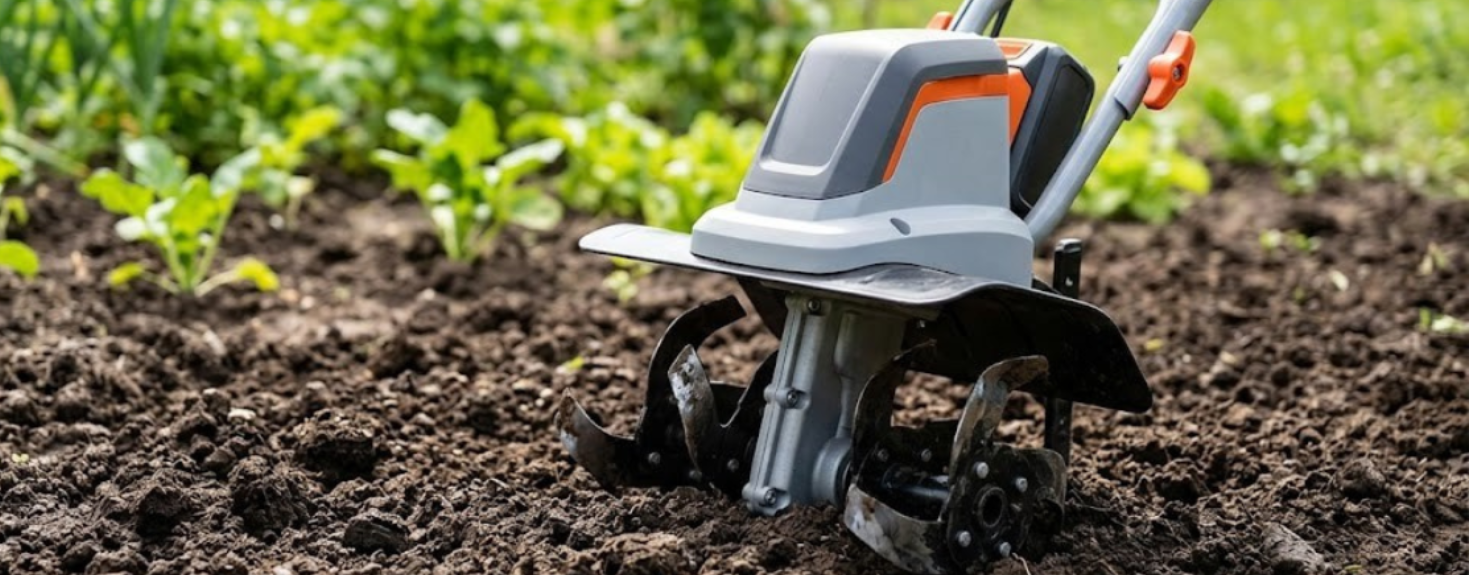
Anyone who wants a beautiful garden knows about the importance of tilling. You have to break up the compact soil to allow air and nutrients to enter. You need a premium-quality tiller with metal blades that dig the soil and improve airflow.
A good handheld cordless tiller can help address some lawn issues early on. Don't purchase a random tiller from the market, because it can make the problem worse. Let's learn a few important aspects before you buy one.
1. Why Choosing the Right Handheld Cordless Tiller Matters for Beginners
High-quality tools make the job effortless. People who grab the wrong tiller early on often quit gardening altogether. The right one makes the whole thing feel easy.
Understanding Soil Cultivation for Healthy Gardening
While soil preparation may seem tedious, neglecting it can adversely affect the health of your garden. The dense soil blocks the roots and traps water in the wrong places. Poor soil conditions can significantly hinder the growth of grass and plants. A handheld cordless tiller can significantly improve soil conditions with proper use.
Most beginners blame bad seeds or bad weather. Honestly, nine times out of ten, it's the soil. Tilling is more than merely turning over soil. You're building the actual environment your plants live in. Every part of lawn care becomes easier after good tilling.
How Cordless Tillers Improve Gardening Success
Are you new to gardening? You need to learn from the mistakes that people often make. They grab whatever looks powerful. You may spend 20 minutes struggling with a tool with no results. Sometimes, beginners may find that the tiller they choose is either too heavy or too wide for their gardening space. Sore arms follow. Then, skipped garden days, and you start hating the process.
A handheld cordless tiller fits the job. It's sized for a real home garden, not a commercial farm. People don't say it enough, but you need a high-quality tool to make the job easier and faster.
Avoiding Fatigue and Preventing Plant Damage with the Right Cultivator
Mistakes in the tilling process can negatively affect your garden's health. It can destroy the roots that took weeks to grow. Handheld tillers let you steer. You put the tines where you want them, not where a heavy machine drags you.
Fatigue is another common problem. You cannot use a heavy tiller as it can cause arm pain at the end of the day. Select a tiller that is appropriately sized for your garden and lightweight enough for comfortable handling.
2. How to Choose the Best Handheld Cordless Tiller for Your Needs
Tillers have different forms and varieties. There's no perfect one out there, so you need to understand your requirements. The tool should be suitable for your soil and the area. Here are some factors.
Material Types and Their Pros and Cons of Cordless Tillers
Blade material is the one thing you shouldn't compromise on. Everything else is secondary.
Stainless steel tines are often effective in rocky soil due to their durability and resistance to rust. Manganese steel (carbon steel) is the tougher option. It holds a sharp edge longer and pushes through compacted ground better.
ONEVAN uses this on most of their tiller models. Plastic handles and housing? Fine. Plastic blades? Walk away immediately. They crack under pressure, and you'll be replacing them constantly.
Don't let a low price tag on plastic-blade models fool you. You'll spend more replacing them than you saved buying cheap.
Tine Design and Working Width of Cordless Tillers
Your tines and cutting width need to match your actual garden layout. This sounds obvious, but people often ignore it.
Straight tines are fine for soil you've already broken up before. Curved tines dig into harder, untouched ground much better.
For width, 20cm to 24cm works for most raised beds and garden rows without clipping nearby plants. Got narrow rows or tight flower borders? Go smaller. Prepping a big veggie patch from scratch? Go wider and deeper, 17cm depth minimum.
Weight and Ergonomics of Cordless Tillers
Weight matters when you're tilling for 30 to 45 minutes. A heavy tiller can quickly lead to fatigue during extended use. Weight isn't the whole picture. In fact, balance is the bigger issue.
A tiller that's heavy at the top strains your wrists even if the total weight feels fine. Look for adjustable handles. The grip should be at a height that lets you stand in a comfortable position. It is important to maintain a comfortable posture while using the tiller, so ensure the handle is an appropriate length.
Durability and Weather Resistance Considerations of Cordless Tillers
Garden tools live a rough life; mud, rain, dust, and sun. It adds up fast over a few seasons. Sealed motor housings and tight battery compartments are critical. Water getting into either kills the tool way ahead of schedule.
People buy a tiller, leave it in the shed for winter without checking the seals, and wonder why it won't start in spring. Check these things before you buy and again before you store it each season.
Pricing Range and Warranty Options of Cordless Tillers
You're looking at roughly $50 to $200 for a decent handheld cordless tiller. Brushless motor models cost more upfront. They run quieter, last longer, and handle heat better. This is always worth it.
Check the warranty, and one year is the baseline. Some brands go longer. More importantly, check whether you can buy replacement blades separately. Typically, blades tend to dull and wear out more quickly than other components. You shouldn't have to buy a whole new tiller just to get fresh tines.
3. Beginner's Guide: Using and Maintaining Your Handheld Cordless Tiller
Using a tiller sounds intimidating at first, but it's not. It becomes one of the fastest and most satisfying parts of gardening after practice.
How to Use a Handheld Cordless Tiller in Your Garden – Step-by-Step Guide
You don't need experience. Follow these simple steps and be patient because learning things takes time.
Step 1: Clear the Area First
Remove the rocks and big objects that can harm your blades. Save the tines the extra stress.
Step 2: Check Your Battery Before You Start
The battery level should be full to avoid leaving work in the middle. If your model has an LED display, it's even better.
Step 3: Mark Your Garden Edges with Stakes or String
Keeps your lines straight as it stops you from accidentally tilling into beds you're not touching today.
Step 4: Lower the Tines In and Move Forward Slow
Don't push down hard because the weight of the tool does most of the work.
Step 5: Work in Passes and Overlap Each One Slightly
Do you want deeper aeration? Run a second pass going the opposite direction.
Step 6: Check Your Depth as You Go
Most home garden jobs sit between 10 and 17cm. Your tiller's depth guide is there for a reason, so you should use it.
Step 7: Clean and Store Properly
Brush the soil off the blades and housing after the work is complete. Store it in a dry place after removing the battery.
How to Replace or Install the Blade on a Cordless Tiller
Blades wear out as rocks bend them. Replacing them is simple once you've done it once. Remove the battery first. You can use the wrench that came with the tiller to loosen the blade bolt counterclockwise.
Remove the old blade and note its direction. Put the new one in the same way. Tighten the bolt back clockwise. Don't exert extra pressure as it can break the thread. Insert the battery back in and run a short test spin.
Check blade tightness before every session, not just after replacements. A loose blade can cause excessive vibration that may damage the motor shaft over time.
How to Maintain Your Handheld Cordless Tiller for Longer Life
Basic care adds years to a tiller's life, and skipping it cuts that life in half. Wipe the blades down after every single use. Soil left sitting on steel rusts it out fast. Check blades once a month for bends or cracks.
A bent blade shakes the whole tool, and that wears out the motor shaft from the inside. Store your battery at 40 to 60 percent if you're putting the tiller away for more than two weeks. Storing it fully charged or completely dead both kill battery cells faster than normal use does.
Avoid soaking any part of the tiller; instead, use a damp cloth for cleaning to prevent damage. Inspect all bolts regularly, as vibrations can cause them to loosen over time.
How to Lubricate and Tighten Components on a Cordless Tiller
Many beginners often overlook lubrication, which can significantly reduce a tool's lifespan. It is advisable to apply a suitable light machine oil or gear lubricant specifically designed for gardening tools on the blade shaft every 10 to 15 hours of operation.
While some individuals may use WD-40 for lubrication, it is not recommended as it evaporates and leaves behind a residue. It evaporates and leaves a residue. You need real gear oil for lubrication.
For bolts and fasteners, use the right wrench size. Too tight strips the thread. Too loose, lets parts rattle and break. Go through all the handle joints and the motor housing connections at the start of every new season.
4. The ONEVAN Handheld Cordless Tillers for Beginners
ONEVAN builds cordless tools around brushless motor technology and Makita 18V battery compatibility. That second part is important if you have a Makita gear. There is no need for a separate battery. One battery platform runs everything.
Users often highlight two key factors: the durability of the tool's construction and its ease of use. For beginners, that combination is exactly what you want.
ONEVAN Model 1: ONEVAN Cordless Brushless Tiller with LED Display and Dual Blades
This is ONEVAN's premium tiller. The 500W brushless motor runs steadily without getting hot or loud. For beginners, that matters because you're not constantly stopping to check if something's wrong.
Tilling width is 20cm with a 15cm depth. That covers garden beds, vegetable rows, and flower borders without clipping anything nearby. The dual-sided 16cm steel blades are the part most people notice first. They break clumps up evenly and cut way down on the vibration you feel in your hands.
The 3-section foldable handle is a practical touch, too. Collapses down small for storage and snaps together fast when you need it. The LED battery display means you know your power level before you're mid-row with a dead tiller.
Brushless motors work longer than brushed ones. You don't have to replace the carbon brushes or deal with heat buildup. This keeps the motor good for longer.
ONEVAN Model 2:ONEVAN Brushless Tiller Cultivator with Anti-Tangle Blades (17cm Depth)
Many gardeners who have tilled weedy ground may encounter this issue. You're three minutes in and already stopping to yank a clump of roots off the blade shaft. It's exhausting. The Tiller Cultivator fixes that with a blade design that actively resists tangling.
The specs here go slightly bigger than the Brushless Tiller. You get 17cm depth and 24cm cutting width. Better for breaking in a new bed or turning compost into existing soil. Runtime is up to 45 minutes on a full charge, which gets most home garden prep jobs done without a battery swap.
It has the same 3-section detachable body for storage. The adjustable auxiliary handle is often overlooked, but it can greatly enhance user comfort and control. Set it to your height and your working angle. Adjusting the handle height can help prevent back strain during extended use.
If your garden has any weedy or grassy patches, this is your model. You will not have to stop every few minutes to clear the shaft.
5. Conclusion
Utilizing a good handheld cordless tiller can simplify many gardening tasks throughout the season. The right tool makes soil prep fast and enjoyable. Both ONEVAN models deliver real value for home gardeners.
The Brushless Tiller suits you if you want precision, low vibration, and a power display. The Tiller Cultivator suits you if you're dealing with weedy ground and need more depth and width. Match the tool to your garden, and you're already ahead.
6. FAQs
What Are the Best Materials for Beginner Handheld Cordless Tillers?
Manganese steel or stainless steel for the tines, full stop. Composite plastic is fine for handles, but never accept plastic blades. They crack fast, and the whole tool becomes useless.
When Should Beginners Replace Their Handheld Cordless Tiller?
When the motor struggles on soil, it used to handle fine, blades crack beyond repair, or the battery dies within minutes of a full charge. Gardeners who properly maintain their tools can often extend their lifespan significantly.
Can Handheld Cordless Tillers Handle Hard or Sticky Soils Effectively?
Moderately hard soil, yes. Dense clay or rocky ground, water it first to soften things up. The Tiller Cultivator's anti-tangle blades handle grassy soil better than most options at this price.
What Common Mistakes Should Beginners Avoid When Selecting a Cordless Tiller?
Buying too big for the space and ignoring battery compatibility. You should not skip the warranty check. People who rush this decision almost always regret it within the first season.