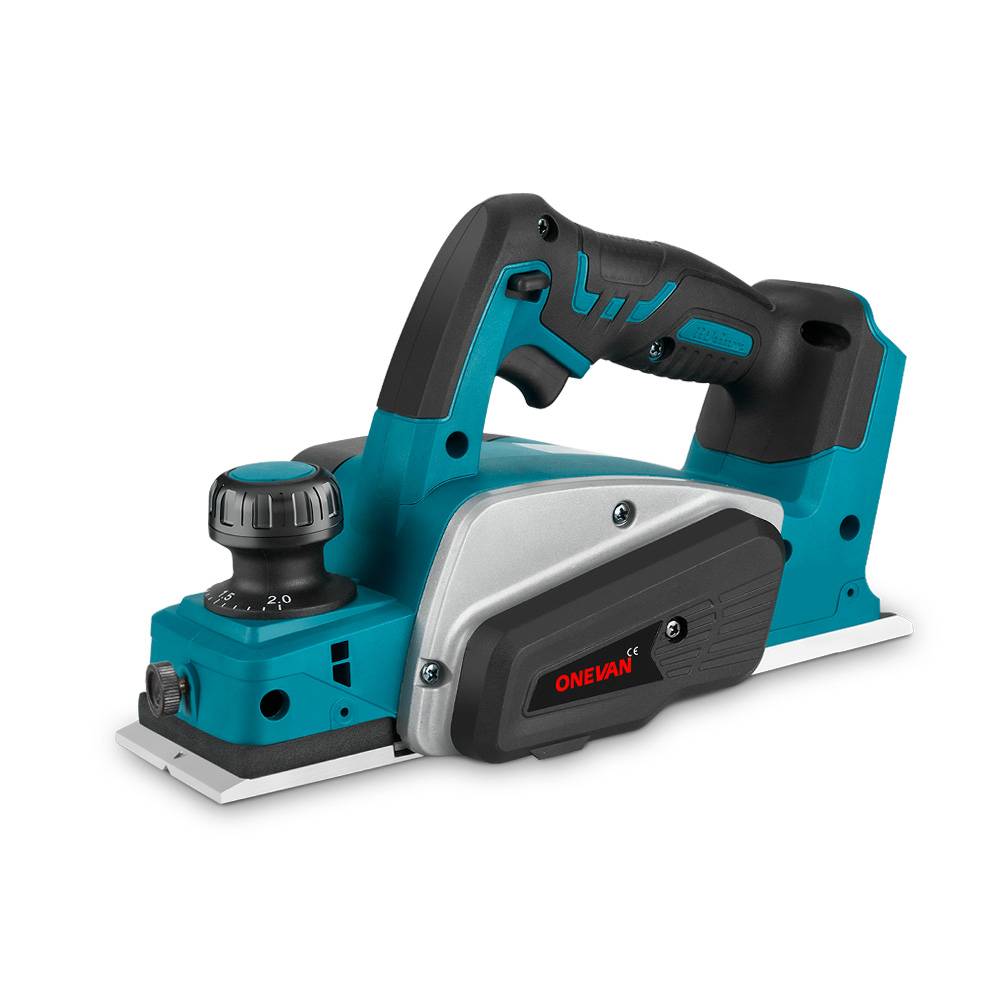

This guide shows you how to choose and use a cordless screwdriver for your home projects . You will learn about important features, basic operation steps, and how to avoid mistakes. This information helps you complete your home repairs fast and without stress.
1. What Is a Cordless Screwdriver?
A cordless screwdriver is a small tool that runs on electricity from a battery. You use it to tighten or loosen screws. It is small and fits easily into your hand. You do not need to turn your wrist manually when you use this tool. The internal electric motor turns the front part for you. This front part holds a small metal piece called a screwdriver bit.
The main purpose of this tool is to enhance efficiency in completing tasks and reduce hand fatigue. If you have many screws to turn, your hand will feel very tired. This tool stops that pain because the battery power does the hard work.
Cordless vs Electric Screwdriver: Major Differences
You might hear people talk about cordless screwdrivers and electric screwdrivers. They sound like the same tool, but they have major differences.
An electric screwdriver usually connects to a wall outlet with a long power cord. It needs constant power from your house grid. This means it can run for hours without stopping. But the problem is that you must stay near a wall plug. The long wire can also trip you while you work.
A cordless screwdriver uses a removable or built-in battery. You can use it in various locations without being restricted by wires. You can use it in your garden or on your roof where there are no plugs. But the battery will run out of power after a few hours of use. Then you must wait for it to charge again.
Here is a clear table to show these differences:
|
Feature |
Cordless Screwdriver |
Corded Electric Screwdriver |
|
Power Source |
Wall Outlet Plug |
|
|
Movement |
High mobility, use anywhere |
Limited by cord length |
|
Weight |
Often heavier due to the battery |
Lighter body but heavy cord |
|
Power Level |
Can drop as battery empties |
Stays exactly the same |
|
Storage |
Easy to pack in small boxes |
Cord needs careful wrapping |
Cordless vs Manual Screwdriver: Is It Worth the Upgrade?
Many people ask if they should buy a cordless tool when they already have an old manual screwdriver. The answer depends on how much you value your time and comfort.
A manual screwdriver relies entirely on physical strength and manual dexterity for operation.
You must grip the handle tightly and twist your wrist over and over. If you have a large furniture project involving numerous screws, you may experience discomfort or fatigue from manual effort.
It will take you one hour to finish the job.
A cordless screwdriver can drive screws significantly faster than manual methods, often completing the task in just a few seconds, depending on the material and screw type.
You only press a small trigger with your index finger. The tool keeps a steady speed and applies even pressure. Therefore, you do not slip out of the screw head as often. It turns that one-hour job into a ten-minute task. The prices of small cordless tools have become more affordable, making them accessible to most homeowners. So it is definitely worth the money for any homeowner.
How Does a Cordless Screwdriver Work?
It is good to know what happens inside the tool when you pull the trigger. Here is the simple path of energy:
- The Battery: The battery stores chemical energy and changes it into electrical energy.
- The Trigger: When you press the switch, you complete an electrical path. Electricity flows from the battery to the motor.
- The Motor: The electric motor starts to spin fast.
- The Gear System: The motor spins too fast for a screw. So, small gears inside slow down the speed. This reduction increases the rotational force, which is called torque.
- The Chuck: The gears spin the chuck. The chuck is the front opening that grips your screwdriver bit.
- The Bit: The bit sits inside the screw head and turns it into the wood or wall.
2. Why Every Homeowner Needs a Cordless Screwdriver in 2026
Modern houses use many small screws in furniture, electronics, and doors. Doing maintenance by hand is outdated. In 2026, the cordless screwdriver for home use will be lighter and cheaper than before. Having this tool ready means you do not need to wait for a repair person. You can address minor repairs promptly.
5 Tasks Around the House Made 10x Easier
Furniture Assembly
When you buy new furniture from a store, it arrives in a flat box. There are dozens of wooden panels and bags of screws. Using a manual tool for assembly can take a significant amount of time, especially with numerous screws. A cordless screwdriver helps you assemble large wardrobes and desks rapidly. The tool drives screws straight into the predrilled holes without hurting your hands.
Home Repairs
Cabinet doors in kitchens often become loose over time. The screws back out because people open and close the doors constantly. Here, you can use your cordless tool to tighten those hinges in seconds. You can also fix loose door handles or tighten the plastic feet on your kitchen appliances.
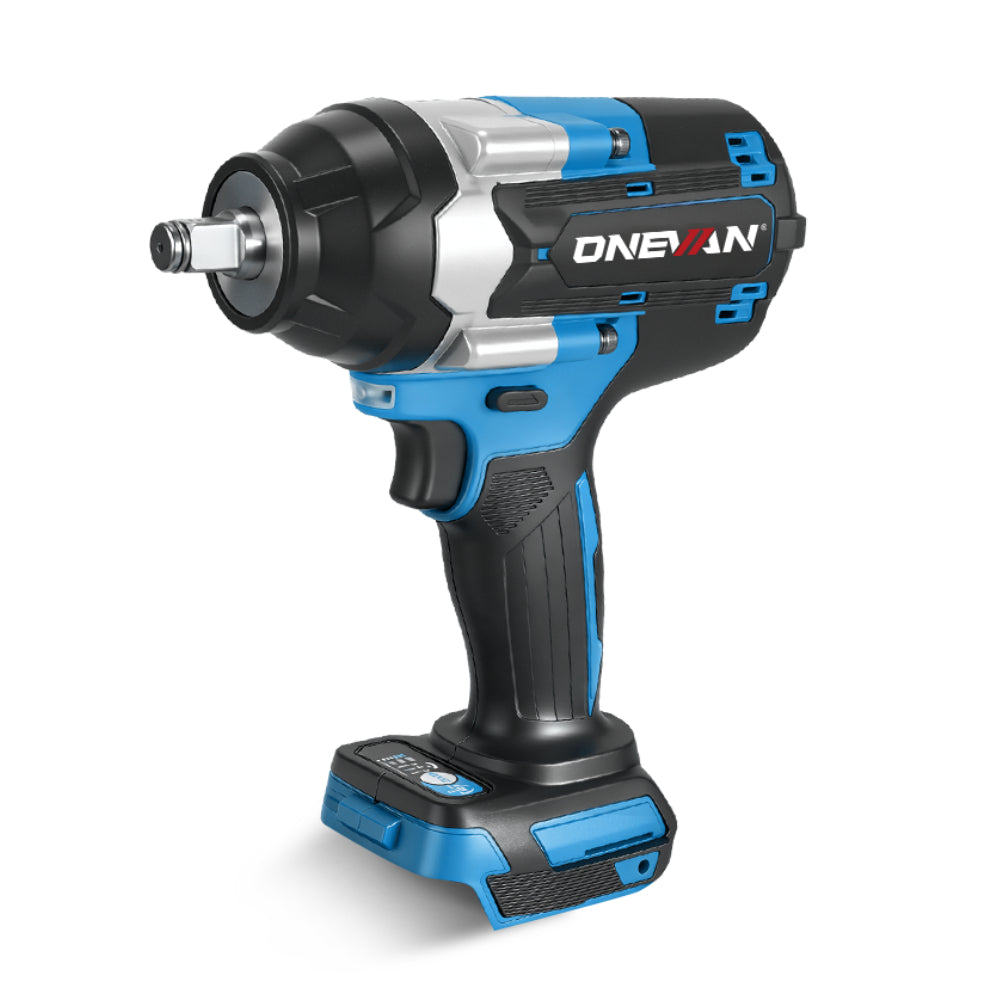
There is a specific tool that meets all the necessary requirements for home projects. The ONEVAN 16.8V Cordless Brushless Screwdriver Kit is an excellent option for beginners who want extra power. Many small tools stop spinning when you try to push a screw into thick timber. But this tool has a 16.8 Volt motor. Therefore, it provides high twisting force for difficult tasks.
Installing Shelves
Putting up a shelf requires you to drive long screws into wall anchors. This action requires considerable torque to ensure the screws are driven securely into the wall anchors. A manual screwdriver makes your shoulder ache. But a cordless tool provides steady torque. It easily pushes the screw deep into the wall anchor.
Changing Light Fixtures
Changing an old ceiling light or a wall switch cover often requires working with your hands above your head. Holding a manual screwdriver in the air for 10 minutes causes muscle fatigue. A cordless screwdriver finishes the task before your arms get tired. You just press the button, and the screw comes out.
DIY Projects
If you like to build small things like wooden birdhouses or picture frames, this tool is your best friend. It allows you to hold the wood pieces together with one hand while your other hand operates the tool. You do not need a second person to help you hold the materials.
How Much Time (and Money) You’ll Save vs. Manual Tools
Let us look at a simple example of time savings. Imagine you have to install three window blinds. Each blind has four screws. That is twelve screws total.
- With a manual screwdriver, it takes about forty seconds of hard twisting per screw. You also need rest breaks. Total time is around ten minutes.
- With a cordless screwdriver, it takes three seconds per screw. Total time is less than one minute.
You save nine minutes on a tiny job. For a whole room renovation, you save hours of labor.
You also save money. If a door handle breaks, you might pay a technician fifty dollars to come to your home. But the problem is simple to fix. For simple repairs, if you own a small cordless screwdriver, you can often buy replacement parts and install them yourself, provided you have the necessary skills. The tool pays for itself after just one small home repair.
3. Important Features to Understand Before You Buy for Home Use
Do not buy the first tool you see in a store. You need to understand the main parts, so you get the right model for your home.
Battery Voltage and Runtime: What’s Enough for Home Use?
Battery power is measured in volts. You will see numbers like 3.6 Volts, 4 Volts, 12 Volts, or 18 Volts on the boxes.
For basic home tasks, a 3.6 Volt or 4 Volt tool is usually enough. These tools are very light and small. They can handle toy batteries , cabinet hinges, and light furniture assembly.
But if you want to screw into hardwood or build large shelves, you should look at a 12 Volt tool. It has more power. You probably do not need an 18 Volt tool. Those are heavy drills meant for construction workers. They will tire your wrist quickly.
Runtime is measured in a mpere - hours, written as Ah. A higher Ah rating indicates that the battery can provide longer usage times before requiring recharging. Look for a tool with 1.5 Ah or 2.0 Ah for home use.
Torque Settings and Adjustable Clutch
Torque refers to the rotational force that the tool can exert, which influences its ability to drive screws efficiently. Some screwdrivers have a ring with numbers near the front. This is the adjustable clutch ring.
The numbers allow you to control how hard the tool twists.
- Low numbers mean low force. Use this for small screws or soft plastic objects so you do not crack them.
- High numbers mean high force. Use this for long screws going into thick wood panels.
When the tool reaches the set force, the clutch slips. You will hear a clicking sound.
This mechanism is beneficial as it prevents the tool from pushing the screw too deeply or damaging the screw head.
Weight and Ergonomics
You must feel comfortable when holding the tool. A tool that is too heavy will make your wrist hurt after five minutes. Aim for a screwdriver that weighs around two pounds or less for comfortable handling during extended use.
Ergonomics means how well the tool fits the shape of your hand. Look for a handle that has a soft rubber grip. The rubber stops the tool from slipping when your palms are sweaty.
There are two main shapes:
- Pistol Grip: Looks like a small handgun. It is excellent for pushing forward into walls.
- Straight Grip: Looks like a thick stick. It is great for reaching deep inside tight electronic boxes or narrow drawers.
Some modern models can twist from a pistol shape into a straight shape with the press of a single button.
LED Light
A small light bulb is often built into the front of the tool body. When you pull the trigger, this LED light illuminates the area around the screw head, enhancing visibility in dark spaces.
This feature sounds simple, but it is extremely important. The reason is that you often work in dark corners. You can be under a sink, fixing a pipe, or inside a dark closet, putting up a clothes rod. The LED light illuminates the screw slot clearly, minimizing the risk of misalignment and potential damage to the wood.
Forward/Reverse Switch and Speed Control
A cordless screwdriver must go in two directions. It needs to put screws in, and it needs to take screws out.
There is a small slider button near the trigger. Pushing it to one side makes the bit turn clockwise to tighten screws. Pushing it to the other side makes the bit turn counterclockwise to remove screws. If you leave the button in the exact middle, it locks the trigger. This is a safety feature so the tool does not turn on inside your tool bag.
Speed control is also useful. Some cheap models have only one speed. When you press the button, it spins at maximum speed immediately. This can be hard to control. Better models have a variable speed trigger. If you press it gently, it spins slowly. If you press it hard, it spins fast. This feature provides improved control when starting a new screw, reducing the likelihood of stripping the screw head or damaging the material.
4. How to Use a Cordless Screwdriver: Step-by-Step for Beginners
Using this tool is easy, but you must follow the correct steps to keep yourself safe and protect your furniture.
Charging the Battery
Before you start your first project, you must fully charge the battery.
- Take the charging cable and plug it into the tool or the separate battery dock.
- Connect the plug to your wall outlet.
- Look for the small indicator light. A red light usually means the battery is still empty.
- Wait until the light turns green or stops flashing. This means the battery is full.
- Disconnect the wire. Do not leave it connected for days, as that can damage the internal battery components.
Inserting and Removing Bits Correctly
The tool uses interchangeable bits for different types of screws. Most cordless screwdrivers use a magnetic hex chuck.
- Look at the head of your screw to see its shape. Choose the matching metal bit.
- Push the silver hex shank end of the bit straight into the front opening of the screwdriver.
- You will feel a magnet pull it inside. It will click into place.
- To remove it, grab the bit's tip with your fingers and pull it straight out. Some models have a sleeve collar. You must pull this collar back first to release the bit.
Adjusting Torque Settings
Do not use maximum force for every job.
- Locate the numbered ring behind the chuck.
- For small screws or plastic toys, turn the ring to number one or two.
- For assembling standard flat pack furniture, turn it into a middle number like five or six.
- Try driving one screw. If the tool clicks and stops before the screw is flat against the wood, turn the ring to a higher number. This gives it a bit more power to finish the job.
Driving Your First Screw: Step - by - Step Guide
Now you are ready to insert a screw into a piece of wood.
- Hold the piece of wood steady. Use a clamp if possible.
- Take the screw and place its sharp point exactly where you want it to go. You can make a tiny hole with a nail first to help the screw stay in place.
- Place the screwdriver bit into the slots on top of the screw head.
- Important step: Hold the screwdriver perfectly straight. It must line up with the screw. If you hold it at an angle, the bit will slip out.
- Press the tool forward against the screw with your hand weight.
- Pull the trigger very gently to start spinning the bit slowly.
- Watch the screw enter the wood. Once it goes deep, you can press the trigger more to increase speed.
- Stop pressing the trigger the moment the screw head touches the wood surface.
5. Common Beginner Mistakes for Using a Cordless Screwdriver
Many new users damage their tools or materials because they do not know these basic rules.
Using the Wrong Torque Setting
If you set the torque to the highest level while working on a delicate plastic item, the motor will not stop when the screw is tight. It will keep turning with immense force. This action can strip the screw threads or crack the plastic material. Always start with a low setting. You can increase the number later if the screw does not go all the way in.
Overcharging the Battery
Many beginners leave their tool plugged into the wall charger for weeks at a time. They think this keeps it ready for use. But the problem is that constant electrical pressure can overheat the lithium cells inside. This lowers the total lifespan of your battery . Unplug the charger once the green light indicates that the system is full.
Using the Wrong Bit for the Screw Type
There are many types of screw heads. The most common are Slotted, Phillips, and Torx. If you use a Phillips bit inside a Torx screw, it will seem to fit at first. But when you pull the trigger, the bit will spin freely inside the head. This strips the metal edges of the screw. Once a screw head is stripped, it becomes rounded. Then, it is nearly impossible to remove it. Always match the bit shape and size perfectly to the screw.
Forgetting to Switch Direction
Sometimes a beginner tries to remove an old screw from a door. They put the tool on the screw and pull the trigger, but the screw goes deeper and cracks the wood. The reason is that they forgot to check the direction switch. Always look at your tool before you press the trigger. Ensure that the direction slider is set to the appropriate mode (clockwise for driving screws in and counterclockwise for removing screws) before beginning your task.
6. Conclusions
A cordless screwdriver is a simple, affordable tool that saves your time and protects your hands from fatigue. It helps you handle furniture assembly, small home repairs, and DIY projects easily. Understanding the voltage, clutch settings, and correct bits will ensure your success. A cordless screwdriver for home use makes maintenance quick and accessible for beginners.
7. FAQs
Is a cordless screwdriver for home use worth it?
Yes, it is highly worth it. It saves you from wrist pain and finishes tasks in seconds instead of minutes. The tool allows you to fix things yourself without paying expensive repair workers.
How long does a cordless screwdriver battery last?
For light home tasks, a full battery can last for several weeks if you only use it occasionally. If you use it nonstop for a large assembly project, it usually runs for one to two hours before needing a charge.
Can I use a cordless screwdriver for heavy-duty tasks?
No. Small cordless screwdrivers do not have enough power to drill deep holes into concrete walls or drive thick screws into hard construction timber. You need a heavy impact driver or a power drill for those big jobs.
What's the difference between a cordless screwdriver and a drill?
A cordless screwdriver is small, light, and spins slowly. It is made specifically for turning screws safely. A power drill is much larger, runs at high speed, and has a heavy chuck to drill clean holes through thick metal or wood.
Are brushless motors worth the extra cost?
Yes, they are generally worth it if you have the budget. Brushless motors do not wear out quickly because they have less internal friction. They use battery energy better, so the tool runs longer on a single charge.
Can I use cordless screwdriver bits in a drill?
Yes, you can. Most screwdriver bits have a standard one-quarter-inch hex shank base. This base fits easily into the adjustable chuck of a standard power drill. But you must be careful because a drill has a lot of power and can break small bits if you press the trigger too hard.