
You have a pile of furniture to build or a loose shelf that needs fixing. Should you reach for a tool with a long wire or one that runs on its own power? This is an important decision that can greatly impact how you work. We are looking at why some tools use plugs and others use batteries.
An electric screwdriver is just a motor in a handle that turns a bit for you. It replaces your wrist. Instead of twisting repeatedly, you simply pull a trigger. This often saves you from a lot of pain.
So, why is the power source even important? It changes where you can go. If you have a battery, you can go up on a ladder or out to the garden. Your choice of power source can affect the perceived weight of the tool in your hand, which can vary based on personal preference. Batteries add weight, while cords present a trip hazard. It just means you have to trade one good thing for another.
1. Types of Power Sources for Electric Screwdrivers
Corded Electric Screwdrivers
Description:
These tools have a power cord. They stay plugged into an outlet while you work. They are the traditional models in the world of power tools. You must remain near an outlet or use a long extension cord. They do not have a battery inside, so they are usually much lighter in your palm.
Advantages:
You never have to wait for a charge. Same as always, the tool is ready whenever you are. As they draw power directly from the outlet, they can maintain high speeds for extended periods. High-quality corded screwdrivers can drive many screws without a decrease in performance. They are also usually cheaper because they do not have expensive battery cells inside.
Limitations:
The cord can be cumbersome and limit your movement. Not so great when you are trying to turn around in a tight closet. You might trip over the cord. You should generally avoid using these if you are working outside, far from the house. If the power goes out, your tool becomes useless. If the cord is long enough, you reach the corner, and it yanks out of the wall.
Battery-Powered (Cordless) Electric Screwdrivers
Description:
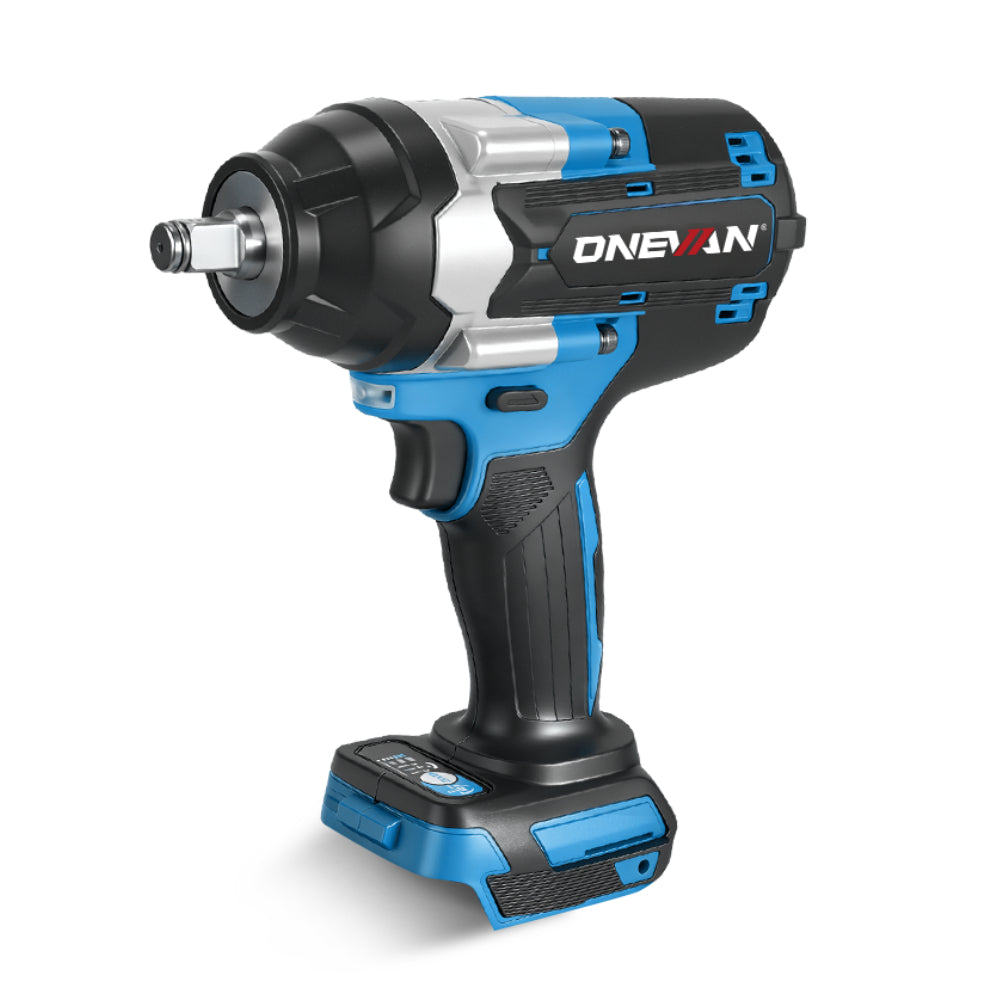
Battery-powered screwdrivers are the primary tool of the modern workshop. They have a battery pack, usually at the bottom. Many people prefer these today due to the freedom of movement they provide. A great example is the ONEVAN Cordless Brushless Screwdriver. It uses a 21V battery that you can swap out.
Advantages:
First, you need to appreciate the mobility. You can take it anywhere. You can then use it in the attic or under the car. There is no wire to tangle. A great example of a cordless screwdriver that exemplifies modern features is the ONEVAN Cordless Brushless Screwdriver. Moreover, they are convenient for quick fixes.
Limitations:
When the battery runs out, you’ll need to recharge. Until then, you are fine, but then you have to wait for a charger. They are also heavier. A big battery can make your arm tired after a few hours. In terms of price, you are paying for the tool and the battery tech.
Types of Batteries Used:
Nickel-Cadmium, Nickel-Metal Hydride, and Lithium-Ion. Most new tools use Li-Ion. These advancements mean that lithium-ion batteries hold a charge longer and do not experience a memory effect that can degrade their performance, such as the type found in the ONEVAN kit, which is built for high torque and long life.
2. How Do Battery-Powered Electric Screwdrivers Work?
Battery Technology Developing
Differences between NiCd, NiMH, and Li-Ion batteries
Over time, batteries have become much smaller. NiCd was the earlier technology. It was heavy and contained chemicals harmful to the earth. Then, you should look at NiMH, which was a bit better but still heavy. Now, we use Li-Ion. Why is Li-Ion better? It is light and packs a lot of punch. This often means you get more work done with a smaller tool.
Voltage ratings and what they mean for screwdriver power
Voltage is like the size of the engine. A 4V tool is suitable for light tasks and small projects, while a 12V tool is more appropriate for furniture assembly. A 21V tool, like the ONEVAN Brushless Screwdriver, is for heavy work. First, check the voltage before you buy. Higher voltage usually means more torque. Higher torque is essential when driving long screws into dense materials, as it provides the necessary force to penetrate effectively. Just make sure you do not buy a tool that is too weak for your job.
Charging Methods and Battery Maintenance
Typical charging times and chargers used
After a few years, chargers have become very fast. Some chargers can fully charge a battery in as little as thirty minutes. Others take a few hours. It’s advisable to keep a second battery on hand. While one is working, the other is on the wall, filling up. Then, you should always use the charger that came with the tool.
Best practices in caring for and extending battery life
You should generally avoid letting your battery get too hot. Heat is the enemy of batteries. Finally, make sure to store them in a cool, dry place. Do not leave them empty for months. This can cause the cells to deteriorate permanently. While it requires some care, your batteries will last for years if properly maintained.
Performance Comparison: Battery vs. Corded Models
In terms of power, corded tools were the only option for high torque. Not anymore. Do you know? Brushless tech has closed the gap. The ONEVAN 21V model has 21+2 torque settings. This can be a helpful question: why so many settings? It stops you from stripping the screw head. On the other hand, a corded tool never runs out of time. A battery tool has a limit. The best way to do this is to compare the Ah rating. Higher Ah means more runtime.
3. Advantages of Using Battery-Powered Electric Screwdrivers
Increased Mobility and Portability
Use in locations without easy access to power outlets
Think about a fence in the backyard. There are no plugs out there. First, you need to have a battery tool for that. You should be able to walk hundreds of feet away from the house and still work. The mobility of battery-powered tools often makes outdoor or remote jobs feasible.
Suitability for overhead or tight space tasks
Working on a ceiling light is hard. Holding a cord while looking up is dangerous. Then, you should use a cordless screwdriver. Just make sure it has a clip so you can hang it on your belt. This helps keep you safe and ensures ease of use.
Improved Convenience and Versatility
Quick deployment for jobs without setup hassle
As a general rule, setting up an extension cord can be time-consuming. With a battery tool, you grab it and go. Possible answers are that it saves five or ten minutes every time. So, asking this question can help you figure out how much your time is worth.
Variety of battery-powered models tailored for different tasks
You can get a tiny one for electronics or a big one for decks. The ONEVAN 14-piece accessory set shows how versatile they are. You get different bits and extenders. This versatility allows you to tackle a wide range of tasks around the house, from furniture assembly to minor repairs.
How Battery Advances Are Improving Performance
Weight reductions, faster charging, longer runtime.
Since then, tools have become easier to hold. The motors are smaller but more substantial. Previously, tools were heavier and harder on the wrists. Now, a 21V tool feels light. No way to know what the next step will be, but for now, Li-ion is king.
4. When to Prefer Corded or Cordless Electric Screwdrivers
When Are Corded Electric Screwdrivers Preferable?
First, use a corded tool if you are at a workbench all day. If you are working on a large project, like making numerous small boxes, you might prefer corded tools to avoid changing batteries frequently. Then, you should choose them if you are on a very tight budget. They are simple, and they work. This often keeps things easy for a hobbyist who only works in one spot.
When Are Cordless Electric Screwdrivers Preferable?
You should use these for almost everything else. The best way to do this is to go cordless for home repairs, construction, and car work. Most professionals have switched completely. You will need the freedom to move. Just make sure you have a charger nearby for long days.
5. How to Choose Between Corded and Battery-Powered Electric Screwdrivers
Assessing Your Typical Use Cases
First, you need to ask what you do most. Are you building furniture inside? Or are you fixing things all over the property? If you move around, go cordless. If you stay still, a cord is fine.
Budget Considerations
In terms of money, remember that batteries are expensive. Sure, the initial cost is higher for cordless. On the other hand, you do not have to buy extension cords. Then, you should look at kits. The ONEVAN kit offers the complete set, including the tool, battery, and accessories. It just means better value.
Importance of Torque and Power Requirements
You should be able to drive a screw through a 4x4 post with a 21V tool. A 4V tool will stop and hum. First, check the torque in Newton-meters (Nm). For general household tasks, you will need at least 20-30 Nm of torque. Finally, make sure it has a brushless motor. Brushless motors maintain consistent power and efficiency over longer periods.
Battery Life and Management vs. Cable Length and Mobility Needs
This often comes down to your patience. Do you prefer the freedom of no wires or the convenience of charging? Same as always, there is no perfect tool, only the right one for you. You will need to balance the battery's weight with the cord's reach.
6. How to Put Batteries in a Screwdriver
First, you need to look at your tool. Most modern ones have a slide-on battery. Then, you should find the rails on the bottom of the handle. You have to line them up perfectly. In some models, you may need to push a button or slide a latch to release the battery before removing it. You should hear a distinct 'click' when the battery is properly in place. Finally, make sure to tug on it. If it moves, it is not locked. Not so great if it falls on your toe while you are working.
After a few times, you will do it without looking. Just make sure the battery is right side up. Some tools use small AA batteries inside a tray. For those, look for the plus and minus signs. You can then use the tool once the door is snapped shut. It is a helpful idea to keep spare batteries in your pocket.
7. Conclusion
Electric screwdrivers definitely use batteries, and they have changed how we build things. Whether you choose the constant power of a cord or the freedom of a 21V ONEVAN battery, you are making your life easier. Select the tool that best suits your project requirements and begin your work effectively.
8. FAQs
How long do batteries typically last on electric screwdrivers?
The exact duration can vary significantly based on usage intensity. First, you need to look at the Amp-hours. A 2.0Ah battery might last for a few hours of light work. Then, you should expect less if you are driving big screws into hardwood. This means you should keep a charger nearby.
Can battery-powered screwdrivers deliver the same power as corded ones?
Yes, they can. Modern 21V brushless tools are often stronger than cheap corded ones. The power difference between corded and cordless tools has significantly reduced. Sure, for massive industrial work, cords are still big, but for you, a battery is plenty.
How can I extend the battery life of my electric screwdriver?
It is advisable to avoid completely depleting the battery as this can adversely affect its lifespan. Then, you should charge it when it starts to feel weak. Finally, make sure to keep it out of the cold garage in the winter. This practice helps maintain the integrity of the battery's internal components.
Can I use my battery-powered screwdriver while charging?
Usually, no. This often doesn't work because the battery has to be removed from the tool to sit in the charger. Having two batteries on hand can facilitate continuous work without interruptions. Until then, you have to wait.