
If you've never owned a cordless screwdriver, you may be doing certain tasks the slow way. A cordless screwdriver is one of the most practical tools a person can own. It drives screws using pure battery power. With cordless screwdrivers, there is no hassle of managing extension cords. These tools go anywhere and fit into tight spots where a bulky drill fails. Even in small spaces, you can achieve greater control with a cordless screwdriver compared to manual options. For light tasks, it provides sufficient force without added weight. It is fast, smart, and ready.
1. Basic Functions of a Cordless Screwdriver
At its most basic level, it spins to drive or remove screws. Press the trigger, and the bit turns. Switch direction, it reverses. That’s the core operation: forward drives screws in, and reverse removes them. But the reason people reach for one constantly is that it handles far more than just loose screws. It quietly becomes the tool you grab first for almost anything small to medium-sized around the house or workshop.
Driving Screws
Driving screws are used for tightening. Desk frames, cabinet locks, metal brackets — anything held together by screws gets done faster and with less effort than turning by hand. Loosening is just as useful, especially with rusted or stuck fixings that would strain your wrist if removed manually.
A wobbly lamp base takes about ten seconds to fix. For a disassembled bike pedal or a cabinet being stripped for renovation, the reverse gear handles extraction cleanly. It saves time and reduces wrist fatigue when you’re driving many screws in a row.
Supporting Various Construction and Repair Tasks
Wood is the main thing you will handle, whether you are assembling boards or building flat-pack chairs. There is no need to go through the hassle of manual work when a screwdriver can easily handle such jobs. Fans and mixers open up with a standard bit. Slow speeds keep internal components safe. Even you can easily handle stuck screws smoothly with a cordless screwdriver. This tool minimizes the risk of stripping the metal and helps drive screws to a consistent depth. Furthermore, it requires little effort. Avoid cracking surfaces by using the right torque settings with a cordless screwdriver.
2. Key Features of Cordless Screwdrivers
Portability is a clear reason to buy cordless screwdrivers. These power tools are very flexible because you get torque, speed, and bit compatibility. It is what makes these tools genuinely flexible rather than just convenient.
Mobility and Ease of Use
No cord means you can go anywhere in attics, sinks, and roofs. You can conveniently keep a cordless screwdriver in your bag since it does not require an outlet. When on a ladder, the cordless screwdriver's lack of trailing wires keeps you safe, and it fits where larger drills cannot. Moreover, there is no risk of falling because cordless screwdrivers improve your mobility. It makes the job much simpler and much safer.
Adjustable Torque and Speed Settings
This is probably the most important feature and the one people underestimate. Torque settings control how much rotational force gets applied before the driver disengages. If set too high on soft wood or plastic, it can lead to stripping the screw or cracking the material. Set it right, and the screw sits perfectly flush every time.
Speed works alongside torque. Slower speed at the start of a drive gives you better control for placement. Higher speed is achieved through repetitive tasks. As a result, thin plastic requires low torque and low speed. Thick oak or heavy barn hardware can take full force. For glass and mirror work, always use the slowest setting. Slipping can scratch the surface or crack fragile materials, so use the lowest speed and torque.
Recommended Tool Settings by Material
|
Material/Task |
Speed Setting |
Torque |
|
Glass & Mirrors |
Lowest (1) |
Lowest |
|
Thin Plastic |
Low |
Low |
|
Oak |
Medium to High |
High / Full Force |
|
Barn Hardware |
High |
Maximum |
|
Precision Placement |
Slow (Start) |
Variable |
|
Repetitive Tasks |
High |
As needed |
Interchangeable Bits for Versatility
Standard hex-shank bits swap in and out quickly. Phillips for cross-head screws, flat for slotted, Torx for star-shaped, and hex for Allen-style. Most kits cover common sizes, which handle the vast majority of fasteners you'll encounter.
One driver with a decent bit kit covers old truck-bed screws, bike-frame bolts, watch backs, and machinery hex fittings. A magnetic bit holder keeps the bit in place while driving and secures the screw to the tip. It is genuinely useful when you're working in a tight spot and can't afford to drop anything.
Battery Technology and Runtime
Modern lithium-ion batteries are game changers. They charge in an hour and don't run out of power quickly. Subsequently, they can handle the cold, but extreme heat will reduce their overall life. Even in bad weather, the cordless screwdriver performs very well with a spare battery. Rotating two packs of batteries means you never stop. A depleted battery will exhaust faster, so keep them charged when not in use.
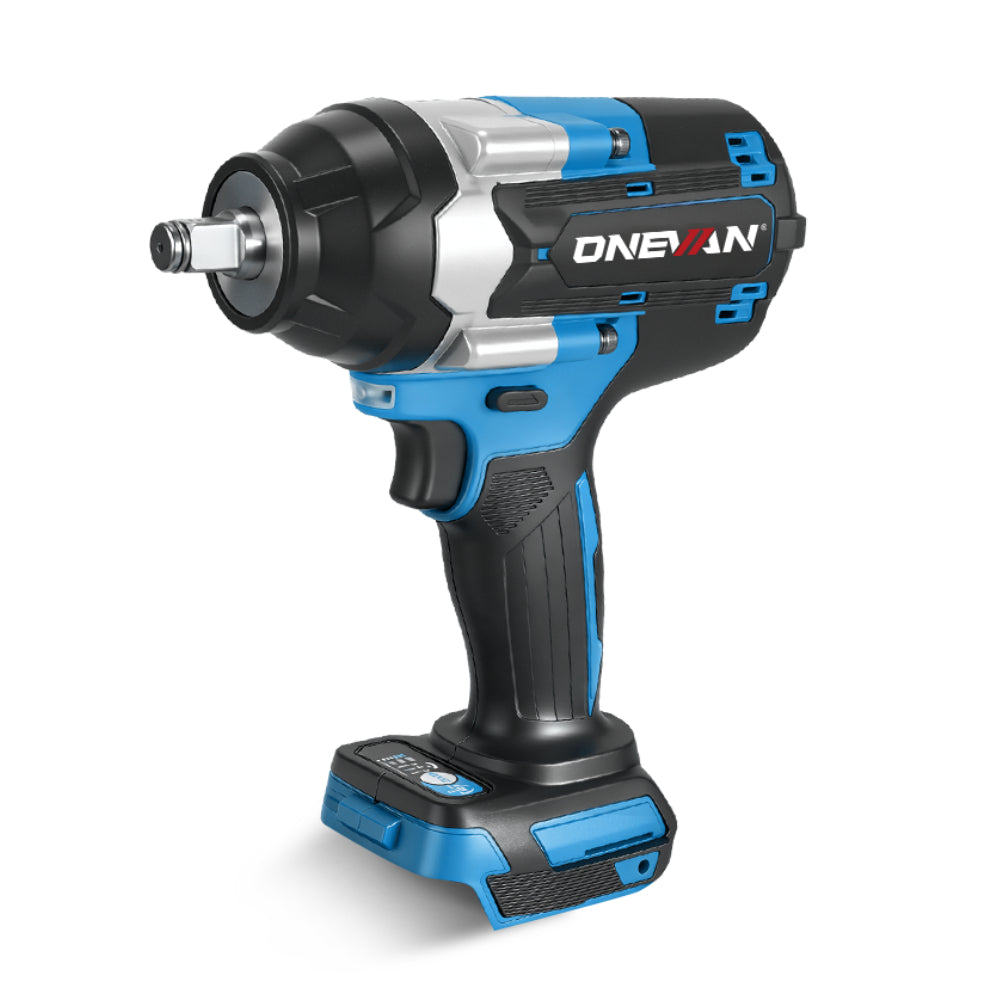
For example, the ONEVAN 16.8V Cordless Brushless Screwdriver delivers up to 40N·m of torque. It provides reliable performance for both drilling and fastening tasks. This model also comes with a brushless 4812 motor, so you will get a longer runtime and less heat.
3. What Is a Cordless Screwdriver Used For?
A cordless screwdriver is used to quickly and safely drive and remove screws across home repairs, DIY projects, light construction, and basic mechanical tasks.
Home Maintenance and Repairs
A cordless screwdriver can easily handle bed frames, hinges, and handles. Most home jobs take five minutes using a battery screwdriver. So there is no need to waste time. It handles shelf brackets and curtain rods perfectly. You can even fix anything under the sink. Access panels have too many screws for manual labor. Even in awkward spots, the cordless screwdriver allows for quick and easy fixes. Outside, you can fix storm doors and mailbox posts fast. Manual work is tedious; however, this tool turns annoying tasks into quick fixes.
DIY Craft and Hobby Projects
Low torque settings and variable speed make this tool genuinely useful for hobby work: model kits, birdhouses, puzzle boxes, and RC chassis. Additionally, small fasteners made of thin or soft materials require careful and controlled driving. Too much force and you've cracked a plastic housing or stripped a tiny thread. Electronics enclosures, hobby robotics, circuit board casings — the same principle applies.
It is particularly useful for hobbyists who require controlled torque for delicate assembly, but for people who build things regularly, having the right torque setting available makes a real difference to the finished quality.
Interior Construction and Renovation
Drywall, paneling, trim, outlet covers, and overhead fixtures are all standard screw work that a cordless driver moves through efficiently. Working overhead with a lightweight tool is noticeably less tiring than using a heavier drill.
Baseboards, crown molding, wainscoting, and soundproofing panels all need consistent placement without damaging the surface finish. On a renovation project or house flip, the time saved across all these repeated small tasks adds up to hours.
Cabinetry and Woodworking
Cabinet builds involve a lot of screws. These are hinges, drawer slides, hardware, and carcass assembly. Getting screw heads flush without going too deep is exactly what the torque clutch is for. Set it right, and the result looks clean. Ignore it, and you're filling stripped holes.
For heavier woodworking, predrilling dense hardwood is strongly recommended. It reduces the load on the screw, prevents splitting, and makes the driver's job much easier. Dovetail assembly, bench work, and tool storage builds — all manageable with the right setup.
Appliance and Electronics Repair
Many appliances incorporate Phillips and Torx screws. You can clean and replace vacuum cleaner parts with relative ease. To prevent harming plastic threads, experts advise using low torque. Use a precision bit set on smaller items, for instance, game consoles and routers, to reduce damage to the small screws. Make sure you have adequate power, even for small devices. Carefully disassembling items makes maintenance much simpler.
Tool Settings
|
Device / Task |
Torque Setting |
Bit Type |
Power Level |
|
Game Consoles |
Very Low (1-3) |
Precision Torx/Phillips |
Low |
|
Routers & Small Tech |
Lowest (1) |
Precision Bits |
Low |
|
Vacuum Cleaners |
Low to Medium (3-5) |
Standard Phillips/Torx |
Moderate |
|
Cleaning/Maintenance |
Low |
Standard Bits |
High |
|
Plastic Housings |
Lowest (1-2) |
Matches Screw Head |
Low |
Automotive and Mechanical Use
Inside a vehicle, cordless screwdrivers are used to handle trim panels, cabin air filters, license plates, dash accessories, and plastic covers in the engine bay. None of these requires high torque; they just need the right bit and a steady hand. Bike rack fitting and garden machinery maintenance fall into the same category. High-torque fasteners such as wheel bolts require an impact wrench or impact driver.
Outdoor and Garden Equipment
Tasks such as garden furniture assembly, lawn mower maintenance, and path lighting installation require tools that can handle outdoor temperatures, such as those powered by lithium-ion batteries, and the lack of a cord is a real safety benefit when working on a ladder or in damp conditions. For treated timber or composite decking, pre-drill first. The material is dense, and the screws will split it if you don't.
Commercial and Industrial Applications
Assembly lines, office furniture builds, retail fixture installation, event stands, and vending equipment all require portability in these settings because power outlets aren't always nearby. A cordless driver lets a team set up or break down quickly without hunting for sockets. For high-volume production tasks requiring precise torque control, a dedicated industrial electric screwdriver is the better choice. But for general maintenance and setup work, a quality cordless model does the job fine.
Benefits Over Manual and Corded Tools
Manual screwdrivers are slower, more tiring, and less consistent. This is particularly true when working with batches of screws. Wrist fatigue is real after a certain point, and it starts affecting accuracy. A cordless driver solves all of that.
Corded tools limit where you can work and add a trip hazard. They're also heavier in most cases. The trade-off with cordless is battery life, but with a spare pack, that's rarely an issue for normal use. The mobility gain almost always outweighs the minor torque difference on tasks these tools are actually designed for.
4. How to Use a Cordless Screwdriver Effectively
Choosing the Right Bit for the Job
It’s important to pick the correct bit. If you use a bit that is too small, you will strip the screw. Using the wrong bit can damage both the screw head and the surrounding material. Match the shape exactly. If it is a Phillips screw, use a Phillips bit. Inspect the tip. If it is rounded, replace it. A sharp, clean bit grips the metal better. It stops slipping. Ensure that the bit sits deep within the hole. Avoid guessing. If the bit moves in the screw head, select a better-fitting size.
Setting Appropriate Torque
Look at the ring behind the chuck. The numbers indicate torque levels. For small screws or soft materials, keep the number low. If you are driving a long screw into a hard oak plank, turn it up. The clutch stops the motor once the selected torque level is reached, preventing overdriving and reducing the risk of stripped threads or snapped screw heads. It is advisable to test it on a scrap piece first. Adjust it until the tool clicks right at the surface. This makes your work look clean and professional.
Positioning and Grip
Hold the tool straight. If you tilt it, the bit will jump out of the screw head. You should apply firm pressure forward while pulling the trigger. This keeps the bit seated. In tight spaces, use your other hand to guide the bit tip until the screw catches. It is all about balance. Keep the tool aligned with the hole. If you slip, you might scratch your work. A slip can damage the surface finish. Stay steady. Lean your weight into the back of the driver's seat. This pressure prevents the bit from slipping and stripping the screw.
Charging and Battery Management
The first rule is to keep your lithium battery fully charged. For instance, if you charge regularly, it keeps lithium batteries in good condition. Also, it will improve their life. And it is very simple that you have to opt for a regular charging routine. Additionally, ensure that your batteries are fully charged before beginning significant tasks. Simultaneously, lithium batteries should not be left in an open area under direct sunlight. Always choose a dry and cool place to store them.
5. Conclusion
A cordless screwdriver handles most fastening jobs around the home, in the workshop, and in light commercial work without the bulk of a full drill. The tool offers users three main functions. The main factors that affect results include selecting the right bit, maintaining the correct torque settings, and ensuring the battery is in good condition. The tool will function properly as long as you maintain it properly.
6. FAQ
Can cordless screwdrivers replace manual screwdrivers completely?
Cordless screwdrivers can replace manual screwdrivers for most tasks, though manual tools may offer better tactile control for very small or delicate fasteners. For big jobs, power is better. For larger jobs, powered driving is more efficient.
What types of screws are cordless screwdrivers best suited for?
Cordless screwdrivers work with wood, metal, and plastic fasteners. You can drive Phillips or star heads with ease. Do not use them for massive bolts. Select the appropriate bit for the task.
How long does a lightweight cordless screwdriver battery typically last?
You can typically drive around 150–300 screws per charge, depending on material and battery capacity. Dense hardwood reduces battery runtime more quickly. Keeping a spare battery available prevents downtime. Charge it up so you stay moving.
Are cordless screwdrivers safe for delicate electronics?
Yes, provided the torque and speed are set to low levels appropriate for delicate components. Use a small bit and go slow. This stops you from stripping plastic holes. Working slowly reduces the risk of damage. Gentle force keeps things safe.
Can I use my cordless screwdriver for heavy-duty construction work?
It is good for trim and cabinets. Do not use it for huge timber or stone. Those jobs need a bigger drill. You will wear out a small motor if you push too hard.
How do I properly maintain my cordless screwdriver for long-term use?
Clean your bits often. Lightly lubricate the chuck and moving mechanical parts if recommended by the manufacturer. Store it in a dry box. If a bit looks dull, replace it. Replace worn or damaged bits promptly.
What are flat-head screwdrivers used for?
Use these for single-line screw heads. You find them in old houses and light switches. They also help you open small items. They are still used in older fixtures and hardware.
What are insulated screwdrivers used for?
Insulated screwdrivers are for electrical work. The insulation is designed to reduce the risk of electric shock when used properly. Use them only when they are rated for the specific voltage and task.
What are Phillips screwdrivers used for?
Phillips screwdrivers are used for cross-head screws commonly found in household appliances, toys, and machinery. They stay in the hole better than flat ones. Most household fixes use these. Keeping a set available is practical for most households.
What are precision screwdrivers used for?
Precision screwdrivers are for tiny parts in your glasses or watch. The tips are very small. Using a tool that is too large for the task can damage or deform small precision screws. Take your time.
What are slotted screwdrivers used for?
They turn screws with one slot. You see them on vintage furniture and old machines. They are simple but prone to slipping. Use one when working with vintage or slotted fasteners.
What are stubby screwdrivers used for?
Stubby screwdrivers help you work in small corners. A long tool will not fit under your sink. The short handle lets you turn with force. Stubby screwdrivers are ideal for confined spaces.