1. Introducción
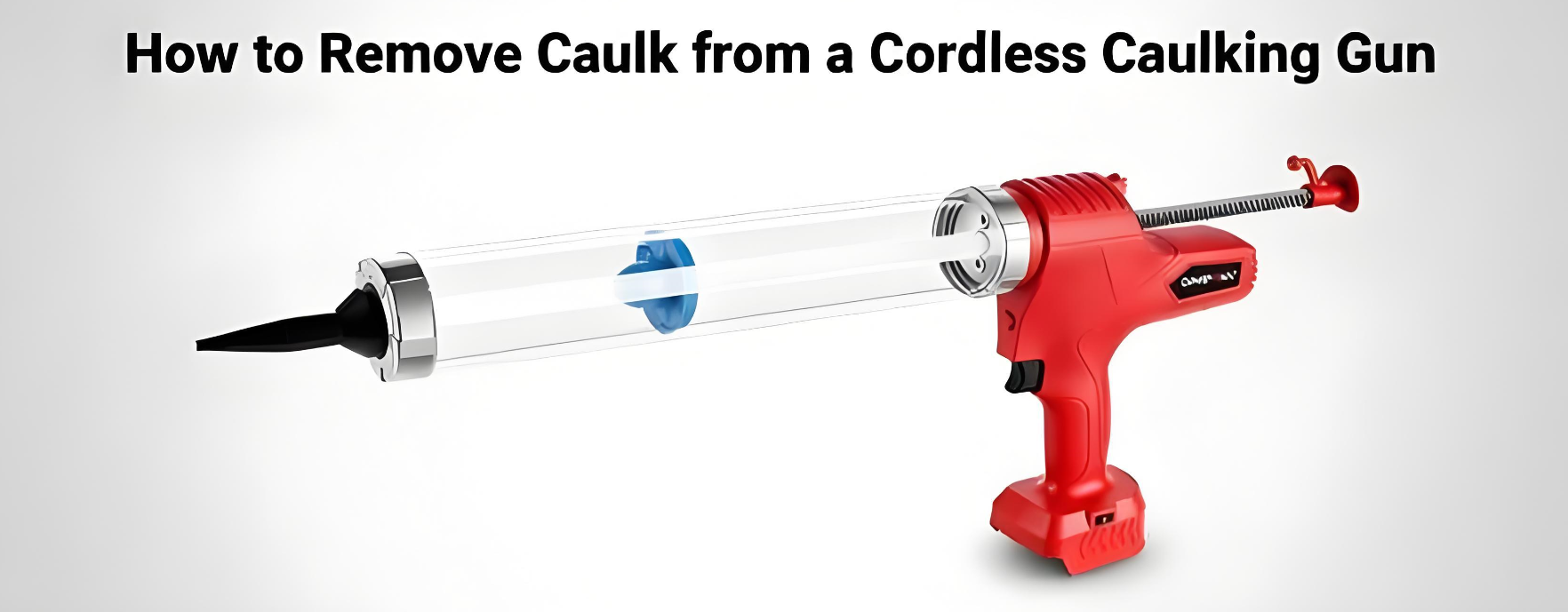
Las pistolas de calafateo inalámbricas han cambiado la forma en que los profesionales y los aficionados al bricolaje abordan las tareas de sellado, unión y relleno de juntas. Al reemplazar las anticuadas pistolas de calafateo manuales con un motor eléctrico alimentado por batería, estas herramientas proporcionan un cordón de sellador suave y uniforme sin causar dolor en las manos. Ya sea que esté trabajando en los perímetros de ventanas en una obra de construcción importante o simplemente impermeabilizando el baño de una casa, herramientas como la pistola de calafateo inalámbrica ONEVAN ofrecen una velocidad y pulcritud increíbles.
Sin embargo, debido a que estas herramientas utilizan motores eléctricos, sistemas de accionamiento automatizados y contactos de batería sensibles, necesitan una limpieza regular. Dejar que los selladores de construcción, los adhesivos fuertes o los materiales de calafateo se sequen en las piezas móviles de la herramienta puede causar atascos importantes en los engranajes, reducir la vida útil de la batería o incluso quemar el motor. A diferencia de las pistolas manuales baratas que se pueden desechar cuando se ensucian, un modelo eléctrico necesita un poco de cuidado para proteger su inversión.
Esta guía de mejores prácticas le proporciona instrucciones sencillas y paso a paso sobre cómo retirar los tubos de calafateo de forma segura, limpiar los residuos secos, cuidar cada parte de la herramienta y almacenarla para que siga funcionando como nueva durante años.
2. Cómo retirar un tubo de calafateo de una pistola de calafateo inalámbrica
El cuidado adecuado de su tubo de calafateo es el primer paso para mantener su herramienta en excelente estado. Si intenta sacar un tubo de la base sin liberar primero la presión interna, puede provocar problemas menores, como doblar el marco o dañar la varilla de accionamiento, especialmente si se hace repetidamente.
Cómo retirar un tubo parcialmente usado de una pistola de calafateo inalámbrica
Cuando su proyecto está en pausa y el tubo de calafateo aún está medio lleno, debe retirarlo sin ensuciar ni dejar que el material se seque dentro de la punta.
Siga estos pasos:
- Libere la presión: antes de tocar el tubo, presione el botón de retroceso o retracción de la herramienta. Esto mueve la varilla del émbolo un poco hacia atrás y detiene la presión hacia adelante dentro del tubo para que el calafateo no se derrame por todas partes.
- Selle la punta inmediatamente: para evitar que el calafateo restante se endurezca dentro de la boquilla, selle la punta de inmediato. Puede usar una tapa de goma ajustada, un clavo grande o un trozo de cinta aislante gruesa.
- Retire el tubo: levante suavemente el extremo posterior del tubo de la base de metal primero, luego deslice la boquilla delantera de su ranura. Guarde el tubo a medio usar en posición vertical en un lugar fresco.
Cómo retirar un cartucho vacío de una pistola de calafateo inalámbrica
Cuando un tubo se queda completamente sin material durante un trabajo, debe cambiarlo rápidamente. Saber cómo retirar un tubo de una pistola de calafateo rápidamente mantiene su flujo de trabajo en movimiento sin demoras:
- Retraiga la varilla: suelte el gatillo de encendido y espere a que el motor se detenga por completo. Use la función de retracción para tirar de la varilla del émbolo completamente hacia atrás hasta el punto de partida.
- Saque el tubo: agarre el tubo de plástico o metal vacío por la parte inferior y retírelo de la abertura frontal (base/barril).
- Verifique si hay fugas: antes de colocar un tubo nuevo, mire el disco redondo en la parte delantera de la varilla. Asegúrese de que no se haya filtrado calafateo hacia atrás más allá de la pared trasera del tubo.
¿Tubo atascado? Cómo retirar un cartucho atascado
Si el calafateo se filtra o un tubo se desalinea, puede quedar firmemente atascado dentro del marco. Si no puede retirar el calafateo de la base de la pistola fácilmente, no lo jale. Forzarlo mientras el sistema de accionamiento está bloqueado puede dañar los engranajes electrónicos internos. En su lugar, siga esta lista de verificación de seguridad si tiene un tubo de calafateo atascado:
- Retire la batería: deslice el paquete de batería de iones de litio directamente de la base de la pistola. Esto asegura que el motor no se encienda accidentalmente mientras sus manos están dentro de la herramienta.
- Use la liberación manual: mantenga presionada la palanca de liberación manual e intente tirar del lazo trasero de la varilla del émbolo hacia atrás con un agarre firme y constante.
- Use una palanca suave: si el tubo está pegado a la base de metal por el calafateo seco, deslice una espátula de plástico delgada o un destornillador plano con cuidado debajo del tubo para romper la unión. No presione demasiado fuerte contra la carcasa de plástico de la herramienta.
- Aplique solvente: si aún no cede, aplique una pequeña cantidad de alcohol mineral o removedor de adhesivo en el punto atascado. Déjelo reposar durante cinco minutos para ablandar el pegamento antes de intentar deslizar el tubo nuevamente.
3. Cómo limpiar el calafateo seco de una pistola de calafateo inalámbrica
Acrílico vs silicona: por qué elegir el solvente incorrecto puede dañar su pistola de calafateo inalámbrica
Antes de usar cualquier limpiador químico para limpiar el calafateo de una pistola de calafateo, debe saber qué tipo de sellador está tratando. Usar el químico incorrecto puede dañar la carcasa de plástico exterior de la herramienta, dañar los sellos de goma o causar problemas si se filtra en la carcasa del motor, así que siempre verifique la compatibilidad antes de usar.
- Calafateo acrílico (a base de látex): son a base de agua. Cuando están mojados, se lavan con agua. Incluso cuando están secos, son bastante blandos y fáciles de limpiar con jabones suaves y no agresivos sin dañar el plástico de la herramienta.
- Calafateo de silicona: se convierten en una goma resistente e impermeable cuando están secos. Resisten el agua y la mayoría de los limpiadores básicos, por lo que necesita solventes específicos como alcoholes minerales para descomponerlos, que deben usarse con cuidado lejos de las partes electrónicas.
Cómo limpiar el calafateo acrílico de una pistola de calafateo inalámbrica
El calafateo acrílico o de látex seco es muy simple de limpiar si sigue un sistema ordenado:
- Raspe los trozos grandes: use un raspador de plástico, una tarjeta de regalo vieja o un cepillo de dientes de nylon rígido para raspar suavemente las costras grandes de acrílico seco del marco de metal.
- Limpie con jabón: humedezca un paño limpio en una mezcla de agua tibia y jabón suave para platos. Frote bien el cuerpo de plástico y la base. Asegúrese de que el paño esté solo húmedo, no goteando.
- Séquelo bien: use una toalla seca para eliminar toda la humedad de las juntas de metal para que no se forme óxido superficial.
Cómo limpiar el calafateo de silicona de una pistola de calafateo inalámbrica
Aprender a quitar la silicona de una pistola de calafateo requiere una mezcla de desprendimiento y limpieza química dirigida:
- Primero despréndala: dado que la silicona no se adhiere permanentemente a los metales lisos, a menudo puede agarrar el borde de la silicona seca de la pistola de calafateo o la varilla del émbolo con los dedos o un par de alicates y desprenderla en tiras de goma largas.
- Use alcoholes minerales: para cualquier película delgada que quede, aplique una pequeña cantidad de alcoholes minerales o un removedor de silicona diseñado específicamente para usar en herramientas en un paño, asegurándose de que sea compatible con su pistola de calafateo. Limpie el residuo suavemente, manteniendo el líquido alejado de las rejillas de ventilación o los botones.
- Limpie con alcohol: frotar alcoholes minerales deja una capa grasosa. Termine el trabajo limpiando esas áreas con un trapo empapado en alcohol isopropílico para que la herramienta quede limpia y seca.
Cómo ablandar el calafateo seco rebelde en una pistola de calafateo inalámbrica
Para parches de calafateo viejos y duros como una roca que no se quitan con el raspado básico:
- Ponga una pequeña cantidad de removedor de adhesivo en gel directamente sobre el punto endurecido.
- Envuelva esa parte firmemente con papel film de cocina y déjela reposar durante 20 a 30 minutos. El papel film evita que el químico se seque para que pueda empapar profundamente el calafateo viejo.
- Una vez que se ablande y se vuelva blando, raspe fácilmente con un palo de madera o una herramienta de plástico.
4. Cómo limpiar cada parte de su pistola de calafateo inalámbrica
Para mantener una herramienta de alta calidad de manera efectiva, asegúrese de revisar y limpiar diferentes partes durante cada sesión de mantenimiento para que todo funcione sin problemas.
Cómo limpiar la boquilla y las roscas
El anillo frontal, donde se asienta el tubo, puede acumular calafateo suelto, lo que podría afectar la alineación de los tubos nuevos y hacer que se asienten torcidos.
- Limpie los conductos de las roscas con un cepillo de alambre pequeño o un raspador de plástico diseñado para limpiar puede limpiar eficazmente las ranuras.
- Limpie el interior del collar frontal con un paño empapado en alcohol para eliminar el polvo, la suciedad y el pegamento sobrante.
Cómo limpiar la varilla del émbolo en una pistola de calafateo inalámbrica
Saber cómo limpiar la varilla del émbolo de una pistola de calafateo inalámbrica es esencial porque si la varilla acumula residuos, aumenta la fricción interna, lo que obliga al motor y al sistema de engranajes a trabajar mucho más para impulsarla hacia adelante:
- Extienda la varilla completamente hasta su posición frontal.
- Rocíe un poco de desengrasante suave o aplique un solvente a lo largo de los dientes, dependiendo del tipo de calafateo utilizado.
- Use un cepillo de nylon rígido para fregar entre cada diente individual y eliminar el material atrapado.
Cómo limpiar el cuerpo de la pistola y la carcasa del motor
Advertencia de seguridad: evite rociar limpiadores líquidos directamente en las rejillas de ventilación del motor y no sumerja ninguna parte de la herramienta eléctrica en agua.
- Limpie el marco de plástico exterior con un paño de microfibra húmedo para eliminar la grasa, la suciedad o el barro del lugar de trabajo.
- Para mantener limpias las rejillas de ventilación de enfriamiento del motor, quite el polvo con un pincel seco o use pequeñas ráfagas de aire comprimido a baja presión.
Cómo limpiar los contactos de la batería y el puerto de carga
Los puntos eléctricos sucios pueden bloquear el flujo de energía, lo que hace que su herramienta funcione de manera errática o deje de encenderse por completo.
- Deslice el paquete de batería de la parte inferior de la herramienta.
- Sumerja un hisopo de algodón en un poco de alcohol isopropílico y limpie suavemente los pequeños terminales metálicos tanto en la base de la herramienta como en el paquete de batería.
- Deje que el alcohol se seque por completo durante dos minutos antes de volver a colocar la batería.
Cómo limpiar el gatillo y el mecanismo de liberación electrónica
- Use un cepillo pequeño y seco para limpiar la suciedad de los huecos alrededor del botón del gatillo.
- Si el gatillo se siente pegajoso o no vuelve rápidamente, rocíe una pequeña cantidad de limpiador de contactos electrónicos de secado rápido en la junta con la batería quitada. Presione el botón del gatillo una docena de veces para que el limpiador penetre y disuelva la suciedad interna.
5. Cómo prevenir el óxido en su pistola de calafateo inalámbrica
Cómo eliminar el óxido ligero de la varilla del émbolo
Trabajar en áreas húmedas o usar acrílicos a base de agua puede hacer que se forme óxido superficial en la varilla de acero.
- Para limpiar una pistola de calafateo oxidada, aplique una pequeña cantidad de vinagre blanco en una almohadilla de lana de acero fina y, luego, limpie la varilla con un paño húmedo mezclado con bicarbonato de sodio para neutralizar la acidez y evitar daños en el metal.
- Frote la varilla firmemente hasta que desaparezcan las manchas rojas de óxido.
- Para limpiar una pistola de calafateo oxidada con vinagre de forma segura, debe evitar que el ácido corroa el metal. Limpie la varilla con un paño húmedo empapado en agua mezclada con una pizca de bicarbonato de sodio y luego séquela inmediatamente con una toalla.
Cómo mantener su pistola de calafateo inalámbrica libre de óxido
- Después de una buena limpieza profunda, aplique una fina capa protectora de aceite lubricante ligero (como aceite 3 en 1 o WD-40) a lo largo de toda la varilla de acero.
- Mueva la varilla hacia adelante y hacia atrás a través de la pistola varias veces para que el aceite se extienda por los engranajes internos.
- Tome un paño limpio y seco y limpie cualquier exceso de aceite superficial para que no atraiga el polvo volador la próxima vez que lo use.
6. Cómo almacenar una pistola de calafateo inalámbrica después de limpiarla
Los buenos hábitos de almacenamiento protegen el calafateo de estropearse y evitan que sus baterías pierdan su carga.
Almacenamiento a corto plazo (reutilizando el mismo tubo)
- Si va a volver a trabajar en uno o dos días, puede dejar el tubo dentro del carro. Solo asegúrese de presionar el botón de retroceso para que no haya tensión activa empujando el tubo.
- Envuelva la boquilla firmemente con una tapa de goma o cinta para evitar que entre aire.
Almacenamiento a largo plazo
- Siempre retire el tubo de calafateo por completo antes de guardar la herramienta durante semanas o meses.
- Desconecte la batería: deslice el paquete de batería del marco de la herramienta. Esto evita que la batería se agote lentamente con el tiempo y evita que la herramienta se encienda accidentalmente dentro de su bolsa.
- Mantenga la herramienta y la batería dentro de una caja resistente en una habitación fresca y seca, lejos de la humedad y la luz solar directa.
7. Cuándo limpiar su pistola de calafateo inalámbrica vs. cuándo reemplazarla
Esta tabla simple le ayuda a decidir si un problema de la herramienta solo necesita una buena limpieza o si es hora de comprar una pieza de repuesto o reparar la unidad:
|
Situación |
Acción: limpiar y reparar |
Acción: reemplazar/reparar |
|
Un poco de residuo de calafateo húmedo en el marco después del uso |
Sí, límpielo inmediatamente con un paño húmedo. |
No es necesario para la limpieza normal. |
|
Capas gruesas de calafateo duro y seco en el cuerpo o la varilla |
Sí, use un solvente específico y frote con un cepillo de nylon. |
No es necesario; el material se puede disolver. |
|
Salpicaduras de calafateo o suciedad directamente en los contactos de la batería |
Sí, limpie con cuidado usando alcohol isopropílico y un hisopo de algodón. |
No es necesario a menos que los clips metálicos estén rotos. |
|
Aparecen pequeñas manchas de óxido a lo largo de la varilla del émbolo |
Sí, frote con vinagre blanco y lana de acero fina. |
No es necesario si el óxido es solo superficial. |
|
La varilla del émbolo de metal está muy doblada o deformada |
No intente enderezarla en casa, ya que puede arruinar los engranajes internos. |
Reemplace el componente de la varilla del émbolo o compre una herramienta nueva. |
|
El motor no funciona en absoluto cuando se aprieta el gatillo |
Compruebe si la batería está completamente cargada y limpie los contactos. |
Si el motor interno está quemado, verifique la garantía o reemplácelo. |
|
La batería se agota en unos minutos o no carga |
Las celdas de batería agotadas no se pueden limpiar ni reparar con jabón. |
Conserve la herramienta, pero compre un nuevo paquete de batería de iones de litio de repuesto. |
|
Grandes cantidades de calafateo se han filtrado profundamente dentro del motor |
La limpieza es muy valiosa si posee una herramienta de alta calidad como un modelo eléctrico ONEVAN. |
Reemplace la herramienta si las vías de los engranajes internos están completamente bloqueadas. |
8. Conclusión
Dedicar unos minutos a la limpieza y el mantenimiento regulares es la mejor manera de sacar el máximo partido a sus herramientas inalámbricas. Cuidar su equipo limpiando el exceso de sellador, manteniendo limpios los terminales de la batería y lubricando las pistas de accionamiento protege las piezas eléctricas. Seguir estos sencillos pasos garantiza que siempre obtendrá un cordón de calafateo perfecto y un funcionamiento suave en cada nuevo proyecto.
9. Preguntas frecuentes
¿Se puede sumergir una pistola de calafateo inalámbrica en agua para limpiarla?
No, nunca haga esto. Nunca debe sumergir una pistola de calafateo eléctrica o inalámbrica en agua o cualquier limpiador líquido. El agua dentro del marco causará un cortocircuito, destruirá el motor, arruinará los terminales de la batería y anulará su garantía. Siempre use toallitas húmedas y pequeñas cantidades de solventes específicos en un paño.
¿Con qué frecuencia debo limpiar mi pistola de calafateo inalámbrica?
Debe limpiar la herramienta rápidamente después de cada trabajo para evitar que la masilla húmeda se convierta en costras duras. Se debe realizar una limpieza profunda adecuada, en la que se revisan los puntos de la batería, se limpian las roscas y se lubrica la barra de transmisión, cada pocas semanas o cada vez que se cambia entre diferentes tipos de masilla, como acrílica y silicona.
¿Cómo eliminar la silicona seca de una pistola de calafateo inalámbrica?
La silicona seca generalmente se puede despegar en tiras gomosas con los dedos o una herramienta de plástico, ya que no se adhiere permanentemente al metal pulido. Para las películas finas que se quedan pegadas, ponga un poco de disolvente mineral en un paño, déjelo reposar en el lugar durante unos minutos para ablandar la silicona y luego límpielo con un cepillo.
¿Vale la pena reparar una pistola de calafateo inalámbrica si deja de funcionar?
Depende de cuánto cuesta la herramienta y qué parte está rota. Si la batería simplemente está agotada, comprar una batería de repuesto es barato y fácil. Para una herramienta de calidad como un producto de pistola de calafateo ONEVAN, reemplazar una pieza pequeña como una varilla doblada o un collar sucio es mucho más barato que comprar una pistola completamente nueva. Sin embargo, para herramientas genéricas baratas con motores quemados, reemplazar la unidad completa suele ser la mejor opción.