La mayoría de las herramientas de jardinería prometen mucho y ofrecen resultados promedio. Un cultivador inalámbrico es diferente. Las personas que usan uno regularmente te dirán que se convirtió discretamente en lo más útil de su cobertizo. Esta guía desglosa exactamente lo que hace mejor y dónde encaja realmente en tu rutina de jardinería.
1. ¿Qué son los cultivadores inalámbricos?
Un cultivador inalámbrico es una herramienta de mano que airea y prepara el suelo sin combustible ni cables de extensión. Tiene una batería que necesitas cargar. Te mantendrás alejado de la molestia de los humos y los cables enredados.
La gente confunde los cultivadores inalámbricos con los cultivadores a gasolina y los modelos eléctricos con cable todo el tiempo. Los cultivadores a gasolina son potentes, pero ruidosos, pesados y un dolor de cabeza en cuanto a mantenimiento. Tienes que lidiar con cambios de aceite, almacenamiento de combustible y humos cada vez que usas uno.
Los modelos eléctricos con cable son más ligeros, pero el cable limita el lugar al que puedes ir. Si la toma de corriente más cercana está a más de 30 pies de tu parterre, puede limitar la usabilidad de los modelos eléctricos con cable.
Los cultivadores inalámbricos se sitúan en el punto óptimo. Son ligeros, silenciosos y realmente portátiles. Las baterías de iones de litio han mejorado lo suficiente como para que el tiempo de ejecución ya no sea una preocupación real para los trabajos de jardinería doméstica. Estas herramientas no están diseñadas para su uso en la agricultura comercial, sino para las necesidades específicas de los jardineros domésticos.
Los jardineros domésticos, los cultivadores de bancales elevados y los jardineros urbanos que trabajan en espacios reducidos son los individuos que más se benefician de un cultivador inalámbrico. Si quieres preparar el suelo rápidamente sin luchar contra una máquina pesada, esta es la herramienta para ti.
2. Uso de cultivadores inalámbricos
¿Te preguntas por qué la gente suele usar cultivadores inalámbricos? ¡Descubrámoslo!
Preparación de huertos y semilleros
Esto es para lo que la mayoría de la gente compra un cultivador inalámbrico. Antes de plantar cualquier cosa, el suelo debe estar lo suficientemente suelto para que las raíces puedan pasar y el agua drene correctamente. El suelo compactado dificulta el crecimiento de las raíces y retiene la humedad en los lugares equivocados.
Un cultivador inalámbrico lo rompe en unas pocas pasadas. Ayuda a crear la estructura y las condiciones óptimas del suelo necesarias para un crecimiento saludable de las plantas. Para jardines domésticos pequeños y medianos, el diseño ligero te permite dirigir las púas exactamente donde las necesitas. Los usuarios no tienen que luchar con una máquina pesada cuando trabajan en un parterre. Tú lo mueves, él te sigue.
Desmalezado y mantenimiento del suelo
Las malas hierbas son más fáciles de manejar antes de que se apoderen. Una pasada rápida con tu cultivador rompe la costra del suelo entre las plantas. Esa costra es en realidad lo que ayuda a germinar las semillas de las malas hierbas. Si la alteras regularmente, ralentizarás significativamente el crecimiento de las malas hierbas.
El suelo se compacta cuando lo pisas o cuando llueve. Tienes que pasar tu cultivador inalámbrico por el suelo para aflojarlo. Mejora la circulación del aire y la penetración del agua. Descuidar el mantenimiento del suelo puede afectar negativamente la salud de las plantas.
Mezcla de enmiendas y fertilizantes para el suelo
Puedes verter abono o fertilizante encima de tu bancal todo el día. Si solo se queda en la superficie, apenas ayuda. Tu cultivador lo mezcla con la tierra para que las raíces lo alcancen realmente.
El compost, el estiércol, el fertilizante granulado y la cal se mezclan de manera más uniforme en el suelo cuando usas un cultivador. Unas pocas pasadas son suficientes. La gente a menudo lo considera una tarea pequeña, pero afecta la salud y la belleza de tu jardín.
Trabajo en áreas estrechas o de difícil acceso
Aquí es donde los cultivadores inalámbricos superan a todas las demás opciones. Los cultivadores tradicionales pueden ser difíciles de usar en bancales elevados, bordes de flores estrechos, contenedores o jardines urbanos en balcones. Un cultivador inalámbrico de mano cabe en todos ellos.
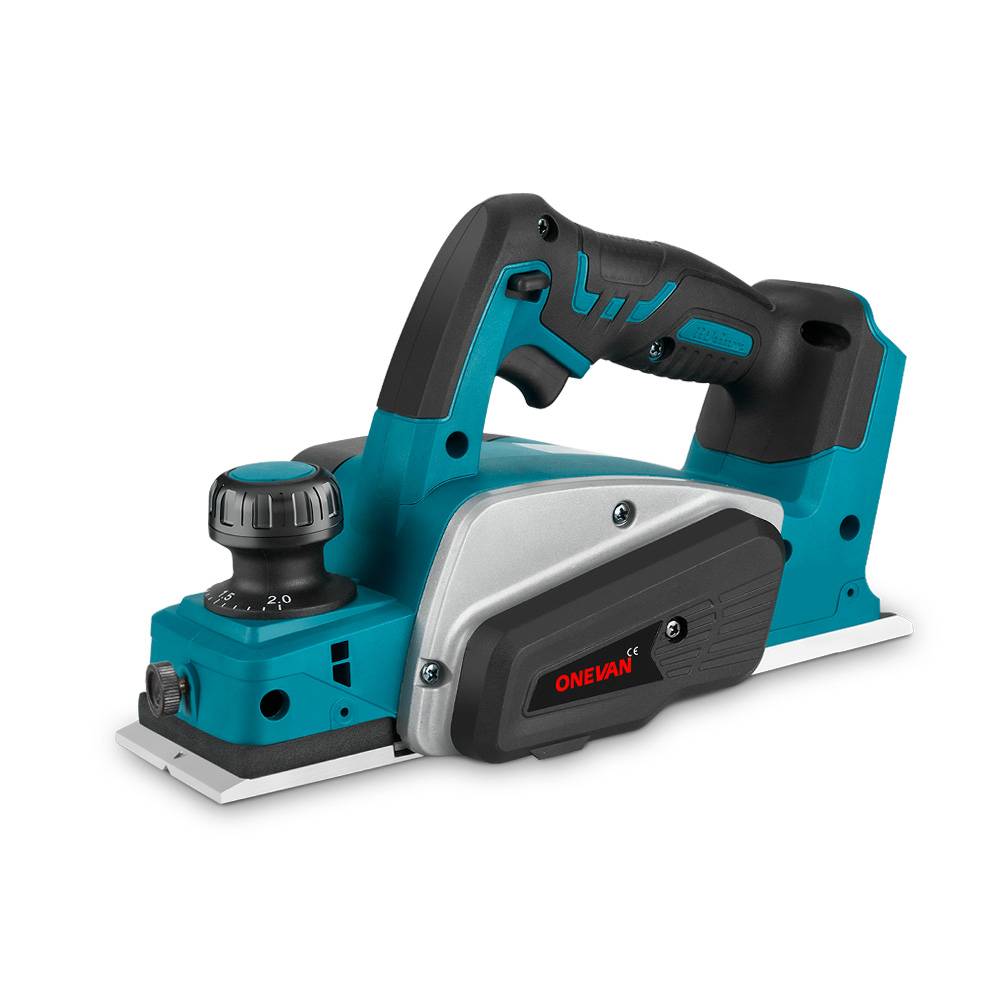
El cultivador sin escobillas inalámbrico ONEVAN con su ancho de labranza de 20 cm, es un buen ejemplo. Se mete en filas estrechas sin rozar las plantas de al lado. Los jardineros que trabajan en bancales elevados o en huertos densos se benefician especialmente de la facilidad de maniobra que ofrecen los cultivadores inalámbricos.
Descompactación de terrones de tierra y acondicionamiento del suelo
El suelo se apelmaza y forma una costra una vez que se seca después de una lluvia intensa. Una superficie compactada obstruye el movimiento del aire y el agua hacia las raíces. Si se deja así, daña lentamente las plantas sin que te des cuenta de lo que está sucediendo.
Pasar un cultivador por el bancal rompe esos terrones, restaurando el suelo a una textura saludable y trabajable. Lleva minutos. Descuidar este paso puede resultar en la pérdida de plantas o una reducción de su salud.
Renovación y puesta a punto del jardín
Los parterres están cansados al final de una temporada de crecimiento. El suelo está compactado, y lo que queda de la última cosecha todavía está ahí. Necesitas resetear antes de volver a plantar.
Un cultivador inalámbrico revuelve rápidamente el viejo parterre. Prepara siempre el parterre primero para ver buenos resultados en tu jardín.
Cultivo entre hileras de verduras o flores
El espaciado estrecho entre hileras es un desafío con cualquier cultivador. La precisión es esencial cuando se trabaja con un espaciado estrecho entre hileras con cualquier cultivador. Un cultivador inalámbrico de mano te proporciona eso. Puedes mover las púas justo por el centro de una hilera sin golpear las plantas de ninguno de los lados.
Esto airea la tierra entre las hileras de tus verduras. Las raíces se extienden mejor, el agua entra más fácilmente y las plantas se mantienen más sanas. Es un trabajo que la mayoría de la gente se salta, y se nota en su cosecha.
Labranza ligera para bordes de césped y caminos
Los bordes del césped se vuelven irregulares con el tiempo. La tierra se acumula o se erosiona alrededor de los bordes de los caminos y los bordes del jardín. Un cultivador inalámbrico arregla esto rápidamente. No es necesario cavar profundamente; una pasada ligera es suficiente para aflojar y definir el borde.
También funciona bien para preparar una franja de terreno antes de colocar mantillo fresco o grava en un camino de jardín. Es más rápido que cavar a mano y lo suficientemente preciso como para no molestar nada cercano.
Muestreo de suelo y preparación para el análisis
El análisis eficaz del suelo comienza con la recogida de una muestra representativa que refleje con precisión la composición del suelo. Debes excavar una pequeña zona para extraer una muestra de suelo de capas más profundas. Es aconsejable evitar analizar el suelo superficial, ya que es posible que no proporcione una representación precisa del perfil de nutrientes y la composición del suelo.
Por eso necesitas un cultivador. Aflojará el suelo, para que sea más fácil tomar una muestra para analizar. Esto mejorará la precisión de los resultados de la prueba. Esto asegura que tus decisiones sobre fertilizantes se basen en datos precisos y fiables.
3. Principales ventajas de los cultivadores inalámbricos
Existen muchos tipos de cultivadores disponibles en el mercado. Entonces, ¿por qué deberíamos elegir los cultivadores inalámbricos? ¡Descubrámoslo!
Portabilidad y libertad de movimiento
Sin cables, vas donde necesitas ir. Las personas con jardines en la parte trasera de su propiedad, con escalones o escondidos en una esquina saben exactamente lo molesto que resulta un cable o un depósito de combustible. Una batería completamente cargada y te mueves libremente por cada parte de tu jardín.
El cultivador sin escobillas ONEVAN con su mango auxiliar ajustable es un buen ejemplo de esto bien hecho. Ajustas el agarre a tu altura, te paras cómodamente y trabajas en todo el jardín sin que tu espalda lo pague después.
Facilidad de almacenamiento y despliegue rápido
Ambos cultivadores inalámbricos ONEVAN utilizan un diseño plegable de 3 secciones. Se pliegan lo suficiente como para colgarlos en un cobertizo o deslizarlos en una esquina del garaje. No hay necesidad de un espacio de almacenamiento dedicado. No tienes que pasar 10 minutos configurando la herramienta antes de empezar el trabajo.
Funcionamiento silencioso y ecológico
Los cultivadores a gasolina son ruidosos y los vecinos lo notan. Los cultivadores eléctricos inalámbricos funcionan lo suficientemente silenciosos como para no ser una molestia. Los motores sin escobillas no hacen ruido ni liberan calor, lo que los convierte en una buena opción. No liberan humos, por lo que son adecuados para un espacio cerrado.
Controles fáciles de usar aptos para principiantes
No necesitas manejar mezclas de combustible ni cables. Insertas la batería, aprietas el gatillo y las púas giran. La pantalla LED del cultivador sin escobillas muestra el nivel de la batería, para que sepas dónde estás antes de empezar. Las personas que son nuevas en las herramientas de jardinería aprecian ese tipo de simplicidad. No hay nada que descifrar.
4. Consejos para maximizar la eficiencia del cultivador inalámbrico
1. Elija los accesorios correctos
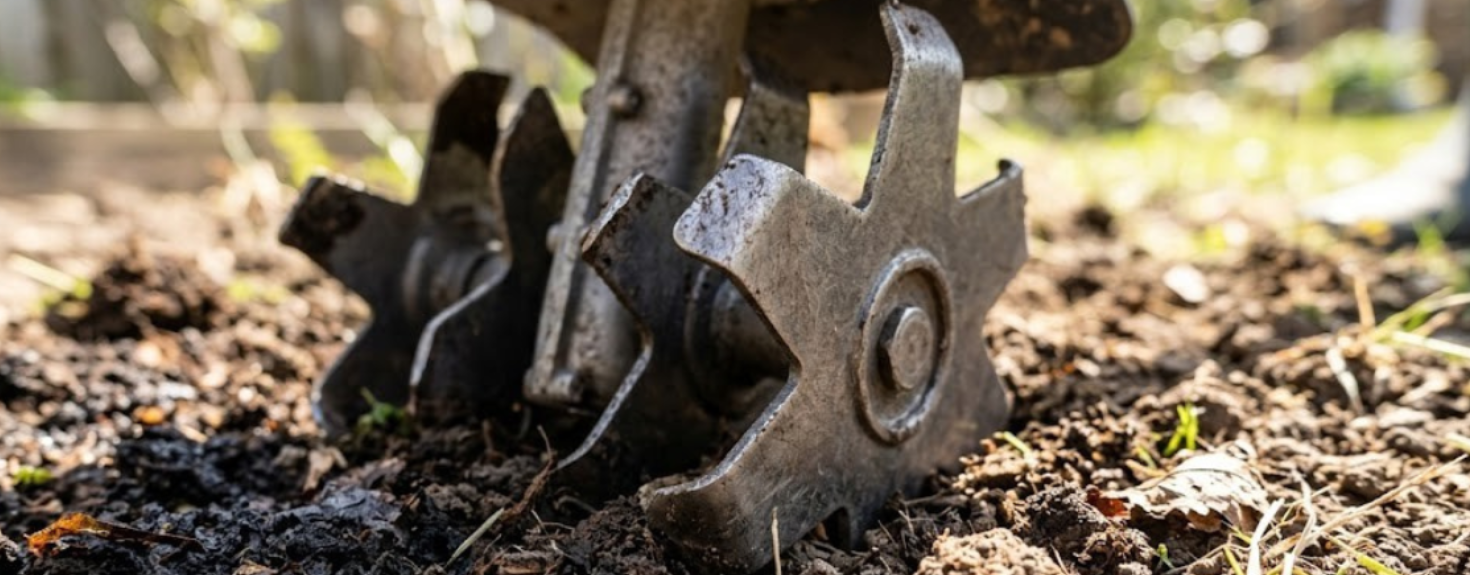
Las púas curvas penetran en suelos duros e intactos. Las púas rectas son adecuadas para suelos que ya has trabajado antes. Usar la incorrecta hace que todo el trabajo parezca una lucha.
2. Operar a la profundidad correcta
La mayoría de los trabajos de jardinería doméstica se sitúan entre 10 y 17 cm. Ir más profundo de lo necesario solo agota la batería y corre el riesgo de golpear raíces que realmente quieres conservar.
3. Utilice ajustes de velocidad adecuados
Disminuye la velocidad en terreno duro. Tampoco necesitas la máxima velocidad en suelo suelto. Adapta el ritmo a lo que estás trabajando, y la herramienta lo manejará fácilmente.
4. Utilice movimientos consistentes y controlados
Deja que la herramienta haga el trabajo. Muévete constantemente hacia adelante. Las personas que empujan y fuerzan el equipo en puntos difíciles desgastan el motor rápidamente y doblan cuchillas que no necesitaban doblar.
5. Mantenga un programa regular de carga de la batería
Mantenga una batería de repuesto cargada y lista para tareas de jardinería más grandes. Si la herramienta permanece sin usar durante más de dos semanas, guarde la batería con un nivel de carga del 40 al 60 por ciento. Las baterías completamente cargadas o completamente descargadas que permanecen inactivas agotan las celdas más rápido que el uso real.
6. Limpie y mantenga las púas regularmente
Limpie las cuchillas después de cada sesión. La tierra que queda en el acero durante la noche lo oxida rápidamente. Una púa doblada hace vibrar toda la herramienta, y esa vibración destruye lentamente el eje del motor desde el interior.
7. Evite suelos extremadamente duros o rocosos
Riegue el terreno el día anterior si está extremadamente seco y compactado. Para áreas particularmente rocosas, se recomienda usar un cultivador más pesado o una herramienta de excavación antes de usar un cultivador inalámbrico. Un cultivador inalámbrico de mano no está diseñado para ese tipo de castigo.
8. Realice un mantenimiento rutinario de las piezas móviles
Aplique lubricante para engranajes después de cada 10 a 15 horas de uso. No use WD-40. Se evapora y deja residuos. El aceite para engranajes real es lo que necesita el eje. Además, inspeccione todos los pernos al comienzo de cada temporada.
9. Guardar en un lugar seco y seguro
La humedad excesiva puede provocar corrosión y daños en los motores sellados y los compartimentos de las baterías, reduciendo su vida útil. Es aconsejable retirar la batería antes de guardarla para evitar posibles fugas y prolongar la vida útil de la batería. Revise los sellos antes del invierno y de nuevo al salir de él. Los individuos pueden pasar por alto esa segunda revisión y quedarse perplejos si la herramienta no arranca en primavera.
10. Siga estrictamente las pautas del fabricante
ONEVAN fabrica ambos modelos de cultivadores compatibles con la batería de 18V de Makita. El uso de un tipo de batería incompatible o incorrecto puede provocar daños en el motor y anular la garantía. El manual se puede leer en aproximadamente diez minutos y puede ayudarle a evitar numerosos problemas potenciales.
5. Conclusión
Los cultivadores inalámbricos son para jardines domésticos, bancales elevados, hileras estrechas y cualquier lugar donde necesites precisión sobre la potencia bruta. No son para grandes granjas o para romper arcilla rocosa desde cero.
Piensa en cómo es realmente tu jardín antes de elegir un modelo. El cultivador sin escobillas es el indicado si quieres poca vibración y una pantalla de potencia para bancales más limpios y ya gestionados. El cultivador es el indicado si tu terreno tiene malas hierbas y no quieres detenerte cada pocos minutos para limpiar el eje. Haz bien esa combinación y toda la temporada de jardinería será más fácil.
6. Preguntas frecuentes
¿Puede un cultivador inalámbrico reemplazar a los modelos de gasolina o con cable?
Para un jardín doméstico, sí. Los cultivadores a gasolina son más adecuados para terrenos grandes y desafiantes con suelos compactados o rocosos. Los modelos inalámbricos manejan todo lo que realmente necesita un jardinero doméstico.
¿Cuánto dura la batería con un uso típico?
La mayoría de las baterías pueden funcionar durante 45 minutos con una carga completa. El suelo muy compactado reduce ese tiempo. Ten una batería de repuesto cargada para trabajos más grandes.
¿Qué tipos de suelo son los más adecuados para los cultivadores inalámbricos?
Suelo suelto a moderadamente compactado. Los bancales ya trabajados y la tierra de bancales elevados funcionan muy bien. La arcilla densa o el suelo rocoso necesitan ser regados primero o una herramienta más pesada.
¿Son efectivos los cultivadores inalámbricos para el control de malezas?
Sí. Las pasadas poco profundas regulares rompen la costra del suelo que las semillas de malezas necesitan para brotar. Ralentiza su crecimiento.
¿Qué precauciones de seguridad debo tomar al usar un cultivador inalámbrico?
Aquí hay algunas precauciones de seguridad a seguir:
- Use zapatos cerrados.
- Use guantes y protección ocular.
- Quite las piedras primero.
- Mantenga a los niños y mascotas alejados.
- Siempre retire la batería antes de tocar las cuchillas.
¿Son adecuados los cultivadores inalámbricos para la jardinería a gran escala o en suelos arcillosos?
No son una buena elección. Media hectárea de arcilla te frustrará y dañará la herramienta. Consigue un cultivador a gasolina para ese tipo de terreno y escala.