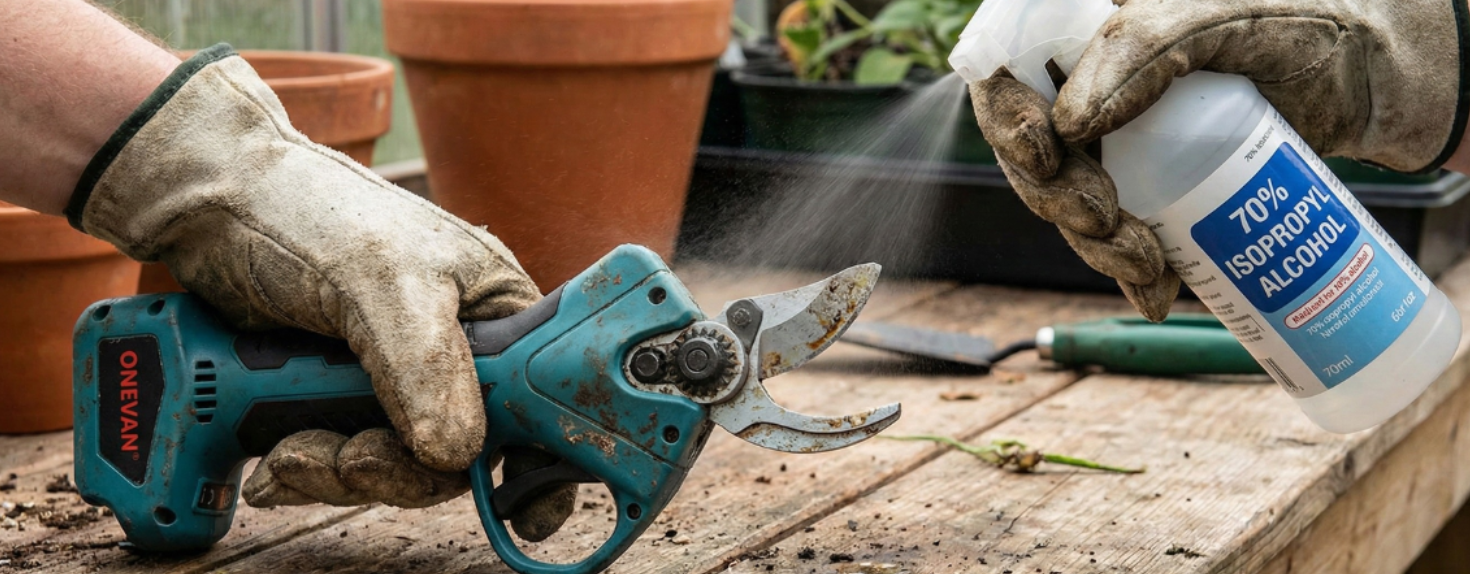
Taking care of your garden tools should be a priority because it enhances the health and productivity of your garden. Many people may not consider that garden tools can harbor as many pathogens as human hands. Using your shears on an infected plant, then on a healthy plant, transfers the infection. This guide explains how to disinfect garden shears.
These tips provide best practices for gardeners at all levels, from those using simple hand clippers to those using battery-operated garden shears. If you are paying a good amount for garden tools, you cannot let them go to waste. That's why maintenance of garden tools is critical. Don't assume that high-quality tools don't require cleaning; in fact, they should be cleaned more diligently.
1. Why Disinfect Garden Shears
Gardening without disinfecting tools can increase the risk of spreading diseases to plants. Garden shear is also similar to the tools doctors use. Doctors cannot use the same tool on another person without disinfecting it. This is important because plants, as living organisms, can suffer from various diseases transmitted through contaminated tools.
Shears and scalpels serve similar purposes in cutting. You leave a severed stem every time you prune a plant. You can transfer plant illness through shears. If you prune diseased bushes and then prune healthy ones, you can spread the disease to the healthy plants. Disinfecting instruments before working in your garden is essential.
Clean shears also make gardening more cost-effective and easier. Dirt, moisture, and sticky sap can cause the instruments to rust. This increases their workload and causes the edges to dull more quickly. The cleaner your instruments, the better the plants will heal.
Importance of Disinfecting Garden Shears
Let's start with the most obvious reason: preventing the transfer of disease. Certain pathogens found on garden tools are quite resilient. They can remain on the tool's surface for a long time. Since germs are likely to multiply, the yard may become heavily infected. Germs cause enormous problems.
Regular cleaning and maintenance significantly increase the lifespan of your gardening tools. Plant juices and sap are sticky and can even be sore. Over time, these substances can cause metal corrosion and blade bending. A clean tool makes work easier and cuts better.
This is vital for the good health of your plants. It makes them more productive in terms of fruits and flowers. If the plants aren't fighting off germs from your tools, you will get tastier veggies and more flowers. When your tools are clean, the powered pruning shears have to work less. This results in extended battery life.
2. Common Types of Contaminants on Garden Shears
Your shears will collect things like sap, dirt, and small leaf clippings when pruning. These substances may seem like a threat, but the true danger is the invisible things. Sap contains fungal spores, and they can grow into fungus under suitable conditions. They can proliferate when they come into contact with healthy plant tissue. The plant juices on your shears have bacteria and viruses that can infect the next plants.
Mite eggs and scale insects could even stick to the shears. Anyone using wireless garden shears needs to be careful. The speed and power of these tools can even end up spattering small amounts of sap or sawdust onto the other branches. If the sap is contaminated with pathogens, the nearby branches can catch infections.
3. When to Disinfect Garden Shears
Many people mistakenly believe they need to sanitize their tools after every single cut. This is not true. Understanding when to clean is equally as significant as understanding how to clean.
Situations Warranting Immediate Disinfection
Clean garden shears immediately if you know that a plant is diseased. If you mistakenly use them on a healthy plant, it will instantly get the disease. Let’s say you prune a rosebush that had an infection. If you use the same tool to prune an apple tree, it will get infected. This explains the importance of disinfection. This is vital in the case of plant grafting. Clean grafting tools allow the tree to heal and connect in less time.
After Each Use vs. Periodic Deep Cleaning
Immediately wipe the tools with a clean cloth after each use. This prevents dirt from negatively affecting the efficiency of the blades. Sap does not stick to the metal blades. Make sure to deep-clean the tools every week or at least once every two weeks. Deep cleaning means disinfection to kill any microbes present on the surface.
Risks of Not Disinfecting Your Tools
Disinfecting your tools is essential for maintaining the health of your plants. If pests infest one branch, using contaminated tools can facilitate their spread to the rest of the tree if disinfection is neglected. It also causes rust. Shears will be difficult to open and close if sticky sap is present on the blades. The batteries of the shears drain quickly because the sticky blades put more pressure on the motor. Disinfecting preserves the life of tools and your plants.
4. Step-by-Step Guide to Disinfecting Garden Shears
Let’s find out the most important part: how to clean the garden shears. It is a simple and quick process.
Preparation Before Disinfecting
You should not simply grab a bottle of cleaning solution and spray it directly on the dirty shears. This method can be hazardous, as it may expose you to harmful chemicals or cause injury. Have you ever kept a dirty plate in the dishwasher without rinsing it? No, you don’t do that. Similarly, you should remove mud from the blades. Utilize an old cloth or a wipe for this task. If you notice sap sticking to the surface, use soap to remove it.
Evaluate the condition of the shears before you use them. Carefully check the blades and loose screws. If you are using electric pruning shears, such as ONEVAN Brushless Pruning Shears, ensure that the battery area is clean and dry. A broken tool won’t work well even if it is perfectly clean, so this is the right time for a little checkup.
Disinfection Methods for Garden Shears
There are several methods for cleaning your tools. You can select any of these based on what is available at the moment.
1. Using Rubbing Alcohol (Isopropyl Alcohol)
The easiest and most favorite method for gardeners is rubbing alcohol. It is easy, effective, and has no horrible smell. Make sure that the alcohol is at least 70% concentrated. It’s easier if you have a spray bottle where you can add the alcohol.
Spray it on the blades, or use a cotton ball soaked in the alcohol to wipe them. There is no need to wait long. Alcohol evaporates in seconds. In this time, the germs are gone, and you can get back to work. This is a great way to sanitize garden shears while you're working in the middle of the yard.
2. Bleach Solution Spot Disinfection
Bleach is a strong agent that neutralizes almost everything. This explains why you should be extra careful. Do not use bleach directly on your tools, as it destroys the metal. People mostly use bleach and water in 1:9 ratio.
You may soak your shears in the solution for 2 minutes, but be cautious, as prolonged exposure can damage the metal. The major downside to bleach is the tendency to cause rust if the solution is not rinsed off. After soaking, wash your shears with plain water and dry them thoroughly. Due to its damaging effects on metal, bleach should only be used in situations of extreme risk, such as when dealing with hazardous plant diseases.
3. Commercial Disinfectants and Garden Tool Sterilizers
Special sprays specifically designed for tools are available in garden centers. These are referred to as quaternary ammonium products. They are very practical because, unlike bleach, they are not harsh to the metal. It is usually more pleasant in terms of odor. Although they are slightly more expensive, it is worth the investment if you own quality battery garden shears, as it will help to protect the metal.
4. Natural and Alternative Methods
Are you trying to avoid using harsh chemicals? Alternatives include vinegar or hydrogen peroxide. Vinegar is on the gentler side and does not kill the harmful microbes that may harm your plants. However, hydrogen peroxide is often a more effective cleaning choice due to its broad-spectrum antimicrobial properties. It may be a little slow, but it is better. They offer a good cleaning for your garden tools.
5. Heat Disinfection
In the past, it was not uncommon for individuals to hold the blades of their tools over a flame or to dip them in boiling water. While that certainly kills germs, it is not recommended for tools today due to the effects of heat on metal. It can soften the metal, ruining the tool's temper and making it impossible for the cutting edge to hold a sharp edge. If you have ONEVAN cordless pruning shears, the heat will definitely ruin the battery and the motor. It is better to use liquid cleaners.
5. How to Disinfect Garden Shears: Step-by-Step Guide
Here is the very simple routine to follow:
- Wipe the shears to remove any mud or leaves.
- Use 70% rubbing alcohol to disinfect them either as a spray or a wipe.
- Treat all the corners of the shears.
- Wait for 1 minute.
- Rinse with water only if you used vinegar or bleach.
Safety Tips for Disinfecting Garden Shears
Cleaning tools can involve sharp edges and some dangerous chemicals, so caution is critical. Bleach is a cleaning agent that can irritate the eyes, so it is really important to make sure that you are working in a well-ventilated space.
You also need to protect the tool from rust. Rust is a specific form of deterioration caused by the oxidation of iron in metal tools. Water and bleach can initiate the rust process. It is important to dry tools completely before storing them. You can also “raincoat” the tools by applying a thin coat of oil so that the shears are protected from moisture.
6. Maintaining Your Garden Shears After Disinfection
The job is not finished once the germs are eliminated. A great gardener knows that tool maintenance is a full circle.
Sharpening and Oil Application Post-Cleaning
Clean tools make sharpening easier. Use a whetstone or a special sharpening tool for this task. A sharp tool produces clean cuts that minimize damage to the plants. It is easier for the plant to heal. It is advisable to apply a thin layer of vegetable or specialized tool oil to the blades. You can use special tool oil or even a bit of vegetable oil for this purpose. Oiling blades helps the moving parts work better and stops rust.
Storage Tips to Prevent Rust and Contamination
Consider storage methods just as much as cleaning methods. You should not leave the garden tools on the floor of the garage. You should hang them in a safe and dry place. It’s a good idea to invest in a waterproof toolbox. Add a camping silica gel packet to your storage box if your area is damp. This gel absorbs the moisture in the box.
7. Conclusion
Caring for your tools is looking after your plants. The process is the same with either the most basic gardening tools, like an old pair of clippers, or an advanced tool like the ONEVAN Brushless Cordless Pruning Shears. Don’t assume that cleaning garden shears is a simple task. You need time and careful preparation for this. It prevents plant diseases and helps your tools last longer. Additionally, proper maintenance can lead to significant cost savings over time.
8. FAQs
How often should I disinfect my garden shears?
Clean the shears after a week if your garden is pest-free. If you used them on a sick plant, you need to disinfect the tool after every cut.
Can I regularly use household bleach on my garden tools?
Bleach is a highly corrosive substance that can cause small pits and damage to the surface of metal over time. Be sure to rinse and dry the tool thoroughly. Alcohol is a safer and simpler option for metal tools.
How can rust be prevented after disinfecting?
The only way to disinfect tools and prevent rust is to dry them with a rag and coat them lightly to prevent them from coming into contact with air and moisture. Some high-quality tools are designed with materials that are more resistant to rust.
What to do if the shears become stiff after cleaning?
This occurs if soap or disinfectant cleans out the hinge oil. Apply a few drops of machine oil to the pivot point, then work the blades a few times.
Are there commercial disinfectants specially formulated for gardening tools?
Of course! Many garden tool retailers and online shops sell tool disinfecting sprays and wipes. These wipes kill all the germs and are much less abrasive than bleach.